
Blog
What Is PP Non-Woven Fabric in Disposable PPE?

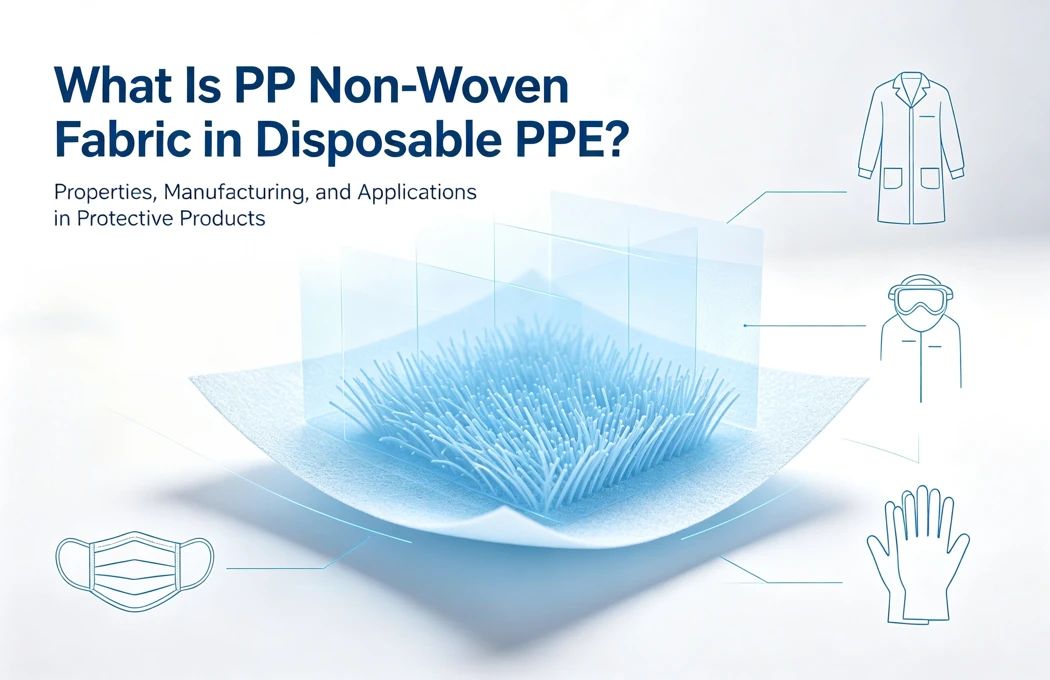
In the global landscape of infection control and industrial safety, the term “PP non-woven fabric” is synonymous with the foundation of modern Personal Protective Equipment (PPE). From the surgical masks used in clinics to the isolation gowns worn in high-risk laboratories, Polypropylene (PP) non-woven material serves as the primary barrier against contaminants. For procurement managers and safety officers, understanding the technical nuances of this material is essential for evaluating product efficacy, ensuring wearer comfort, and managing supply chain costs. This guide provides a technical deep dive into the properties, manufacturing, and application of PP non-woven fabric in the protective products industry.
What is the Technical Definition of PP Non-Woven Fabric?
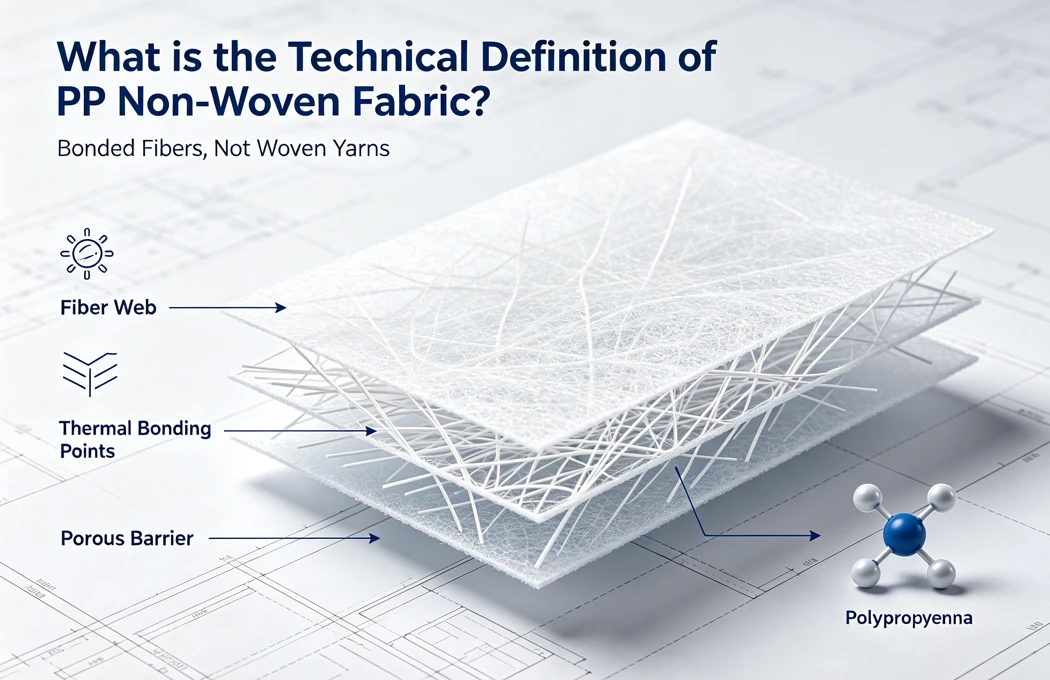
Polypropylene (PP) non-woven fabric is a textile-like material produced by bonding long fibers together through mechanical, thermal, or chemical processes, rather than weaving or knitting. Unlike traditional textiles, it does not require the conversion of fibers to yarn. The “PP” refers to Polypropylene, a thermoplastic polymer known for its versatility, moisture resistance, and high strength-to-weight ratio. In the context of disposable PPE, the most common form is Spunbonded Polypropylene (SBPP), which provides the structural integrity for most basic protective garments.
How Does the Spunbonding Process Work?
To produce high-quality PPE material, PP chips are melted and extruded through spinnerets to create continuous filaments. These filaments are then laid onto a moving conveyor belt in a random web-like pattern. Finally, the web is bonded—usually through thermal point bonding using heated rollers—to create a fabric that is lightweight, breathable, and remarkably durable. This process ensures the material remains lint-free, which is a critical requirement for surgical environments where particle shedding could compromise patient safety.
Why Choose PP Fabric for Protective Clothing? Key Performance Factors?
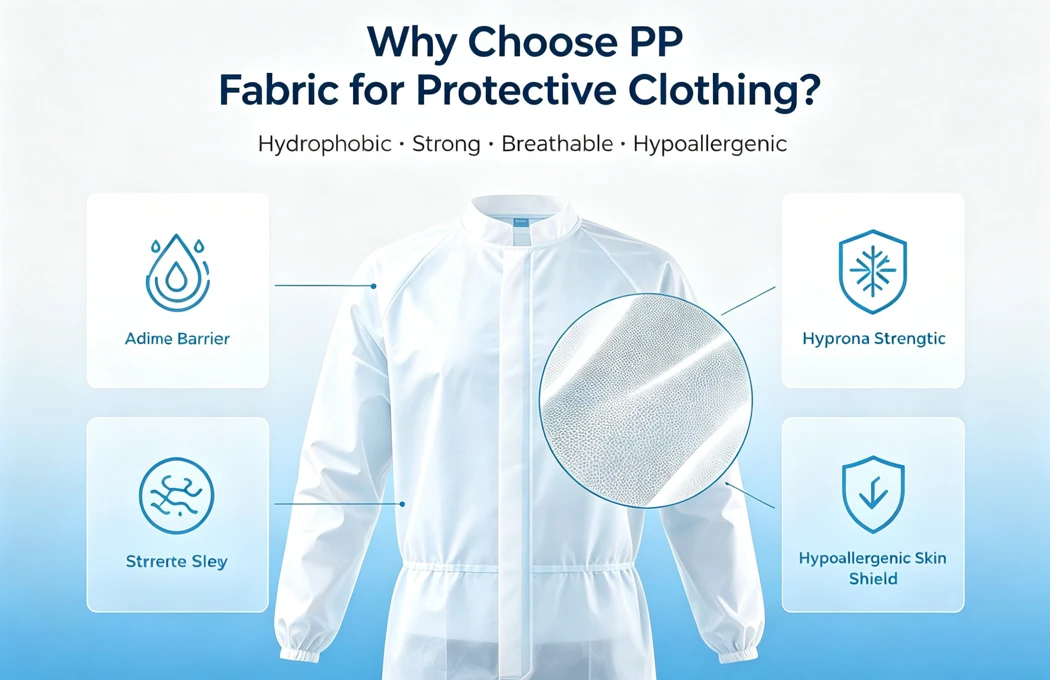
The selection of PP non-woven material for protective clothing is not accidental. It offers a unique combination of physical and chemical properties that align with healthcare and industrial safety standards. Manufacturers prioritize this material because it balances cost-efficiency with high-performance barrier capabilities.
Hydrophobic Properties and Moisture Resistance
Polypropylene is naturally hydrophobic. In a medical setting, this means the fabric resists the penetration of water-based fluids, such as blood or saline. While basic SBPP is not a 100% waterproof barrier, it provides the necessary surface tension to prevent immediate absorption, which is critical for body protection in low-risk environments. This characteristic is often enhanced through specialized coatings if higher fluid resistance is required for specific medical procedures.
Tensile Strength and Durability
Despite being “disposable,” PPE must withstand the physical rigors of a 12-hour hospital shift or heavy-duty industrial cleaning. PP non-woven fabric exhibits high tensile strength in both machine and cross directions, reducing the risk of tearing or punctures during movement. This durability ensures that the protective barrier remains intact even when the wearer is performing strenuous tasks or reaching across large equipment.
Breathability and Thermoregulation
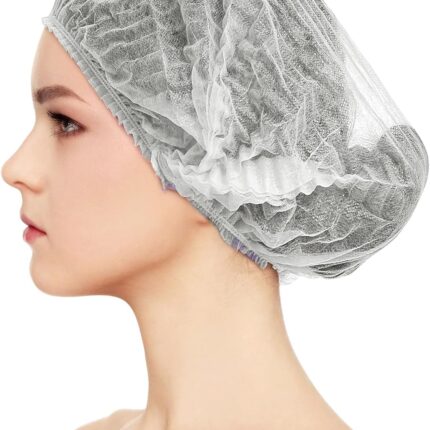
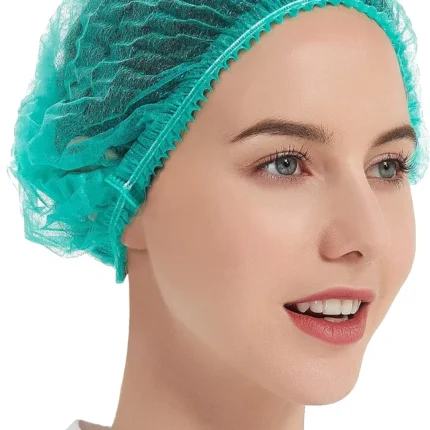
One of the primary challenges in PPE compliance is “heat stress.” PP non-woven fabric allows air and moisture vapor to pass through the fiber interstices. This breathability helps regulate the wearer’s body temperature, making products like head protection—such as mob caps and bouffant caps—comfortable for extended use. High breathability directly correlates with higher worker compliance and reduced fatigue in clinical settings.
Non-Toxic and Hypoallergenic Properties
PP is chemically inert and does not contain binders or glues that might cause skin irritation. For clinicians with sensitive skin, PP non-woven PPE provides a safe, lint-free solution that minimizes the risk of allergic reactions. Furthermore, because Polypropylene does not support the growth of bacteria or mold, it is an ideal candidate for sterile packaging and long-term storage in hospital inventory.
Comparison of PP-Based Materials in PPE?
Not all PP non-woven fabrics are created equal. Manufacturers often engineer different structures to meet specific safety levels, such as AAMI levels in the United States or EN standards in Europe. The following table illustrates the differences between the most common configurations used in the industry today.
| Material Type | Structure | Key Characteristics | Common PPE Uses |
|---|---|---|---|
| SBPP (Spunbond) | Single layer | High strength, very breathable, low cost. | Basic isolation gowns, shoe covers, bouffant caps. |
| SMS (Spunbond + Meltblown + Spunbond) | Triple layer | The meltblown layer acts as a high-efficiency filter. | Surgical gowns, lab coats, high-risk isolation. |
| PP+PE (Laminated) | PP base + Polyethylene film | 100% fluid proof, limited breathability. | Fluid-intensive surgeries, aprons, decontamination. |
| SF (Microporous Film) | PP base + Microporous film | Barrier against viruses and blood-borne pathogens. | Type 5/6 Coveralls, chemical protection. |
Polypropylene Non-Woven PPE: Applications from Head to Toe?
The versatility of PP material allows it to be converted into a comprehensive range of protective gear. Because it can be manufactured in various weights (GSM), it is suitable for everything from feather-light hair coverings to heavy-duty protective suits used in chemical handling.
Head Protection for Contamination Control?
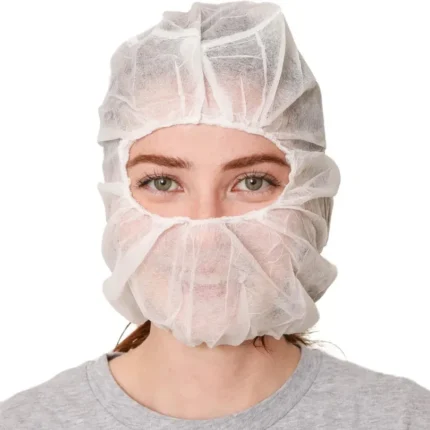
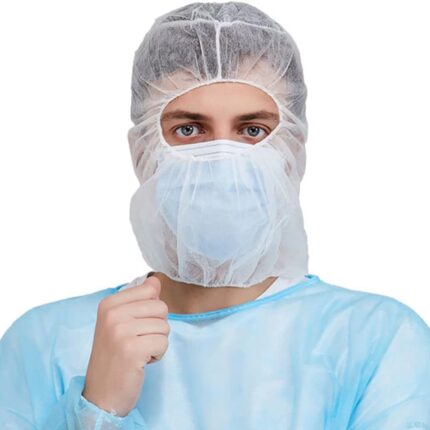
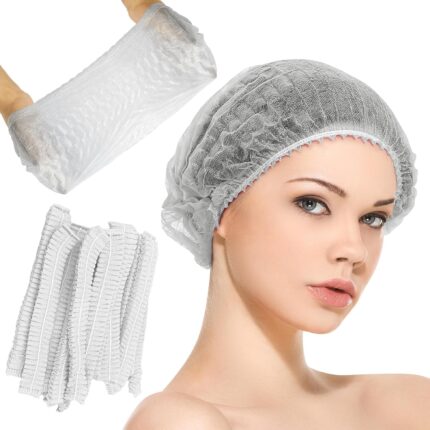
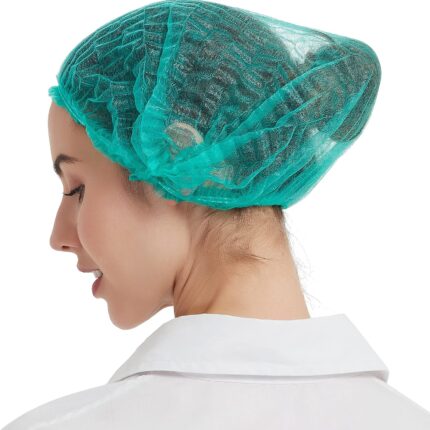
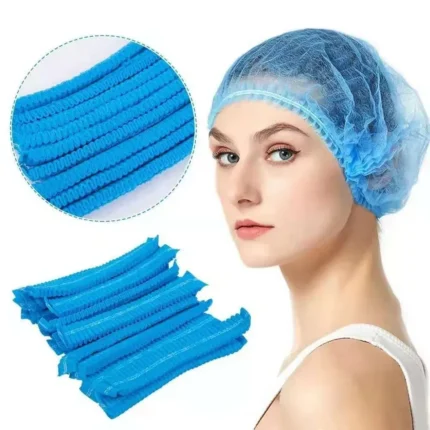
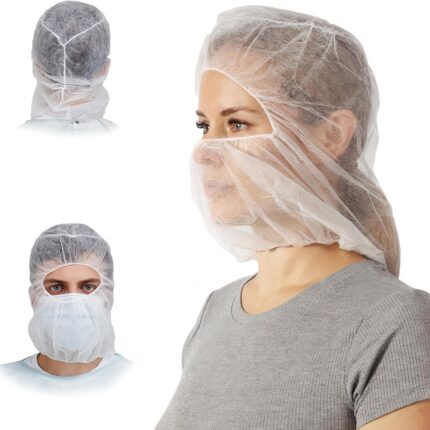
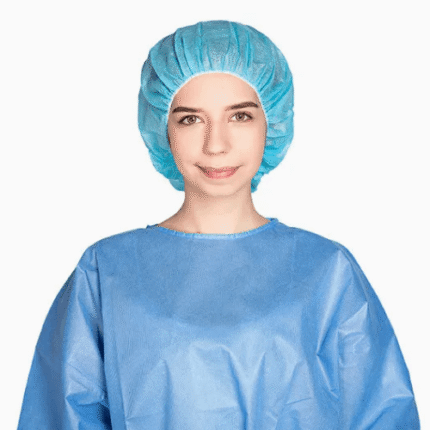
In environments where hair shedding poses a risk to hygiene or product purity, head protection made from SBPP is the industry standard. Lightweight bouffant caps and mob caps (usually 10-14 GSM) provide high breathability for long shifts while securely containing hair. For high-risk surgical or industrial environments, specialized PP hoods offer extended coverage for the neck and shoulders.
Face Protection and Respiratory Barriers?
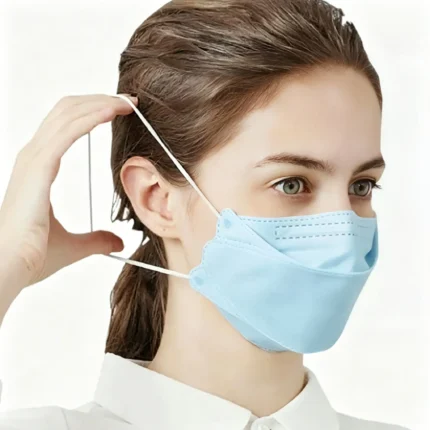
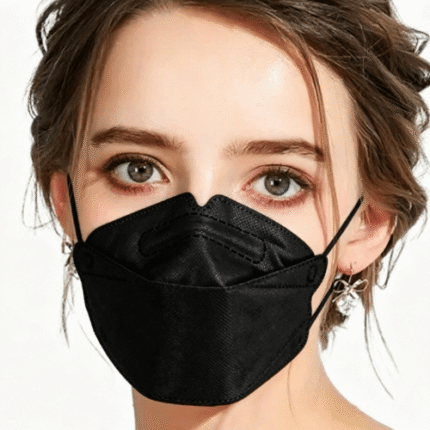
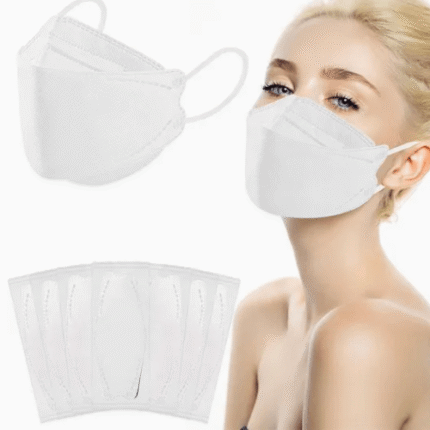
In the production of face protection, PP non-woven fabric is utilized for its dual role as a fluid shield and a filtration substrate. The outer layer (SBPP) provides essential fluid resistance, while the inner layer is selected for its hypoallergenic softness against the skin. In a standard 3-ply mask, the middle “filter” layer consists of Meltblown PP, which captures microscopic particles and pathogens.


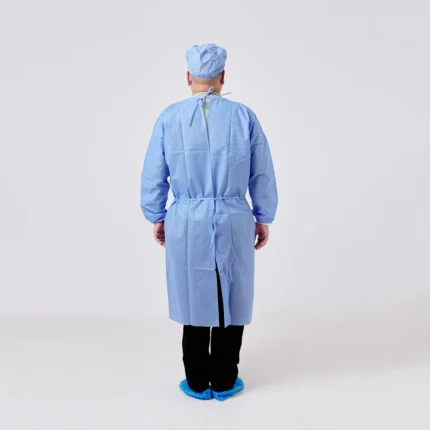
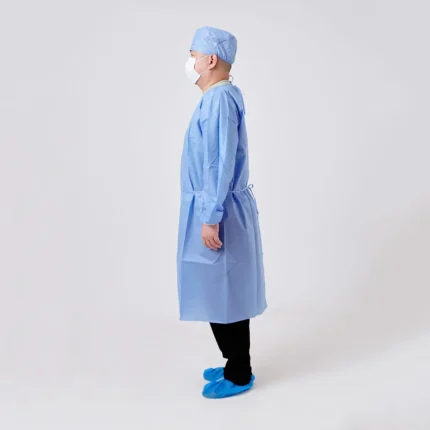
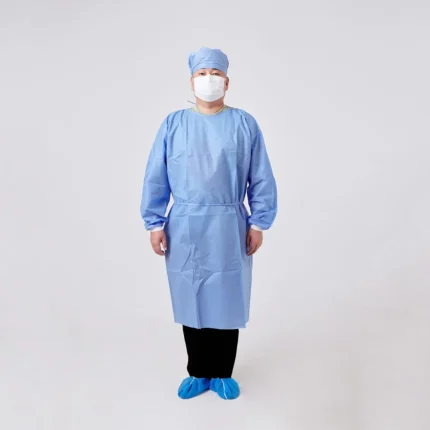
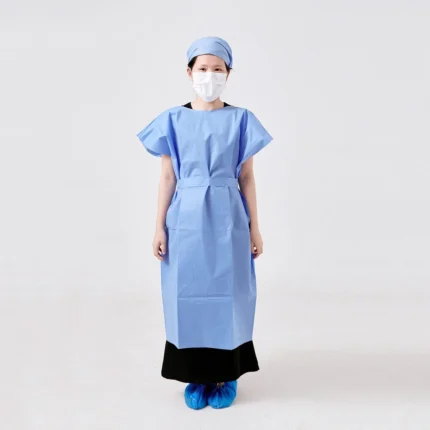
Body Protection and High-Performance Gowns?
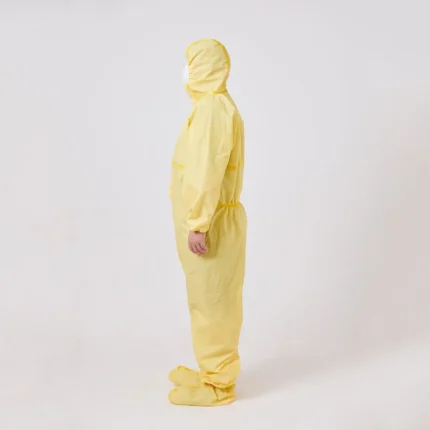
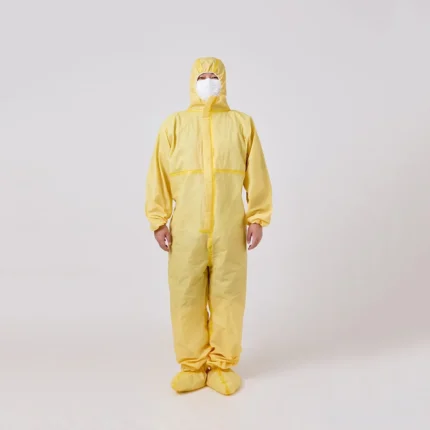
For larger garments like isolation gowns and coveralls, body protection performance is determined by the fabric’s GSM and structure. A 20-25 GSM SBPP gown is suitable for basic hygiene or food service. However, a 40-50 GSM SMS material is required for sterile environments or surgical settings where high tensile strength and liquid repellency are mandatory.



Hand and Arm Protection Extensions?
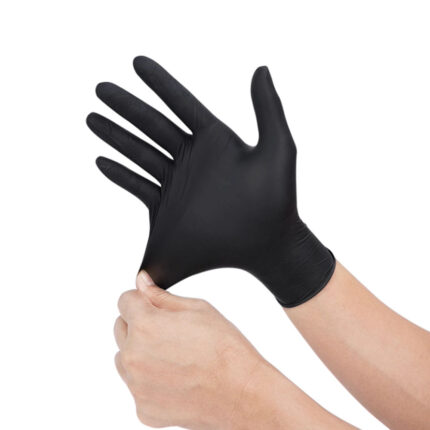
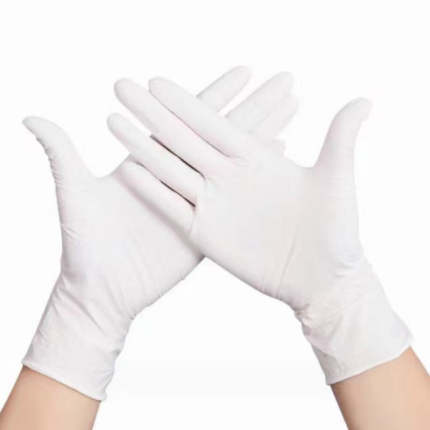
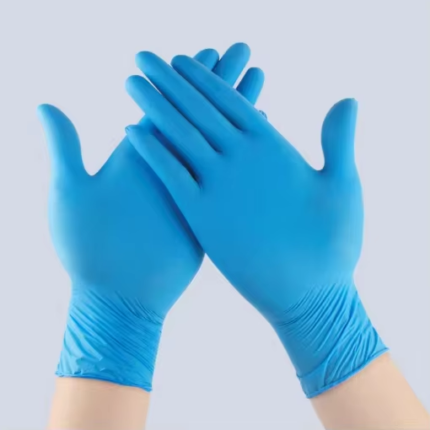
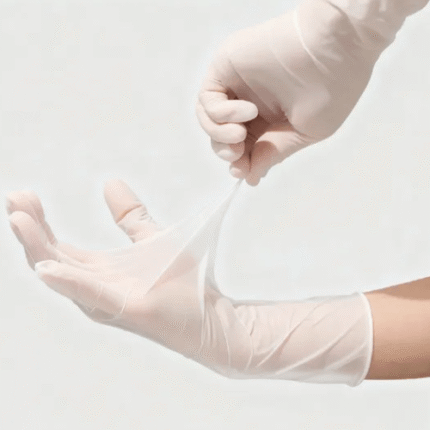
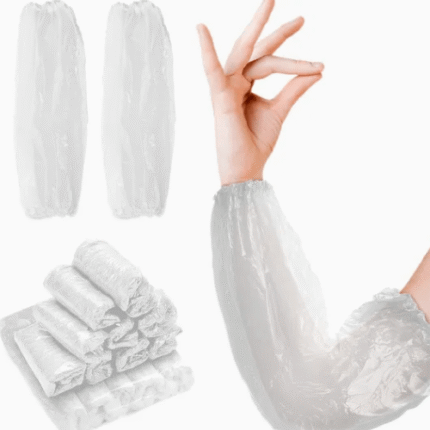
While gloves protect the hands, PP over sleeves are essential for protecting the forearms and wrists from splashes and particulates. These products, found in our hand protection range, provide a secondary barrier between the glove and the gown sleeve. Made from durable SBPP or laminated PE/PP, they are widely used in laboratory work and food processing to ensure no skin is exposed during reach-intensive tasks.
Foot Protection and Anti-Skid Safety?
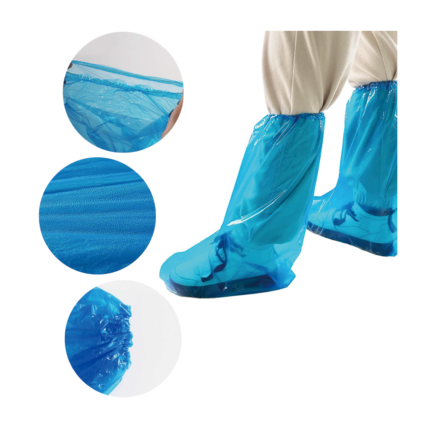
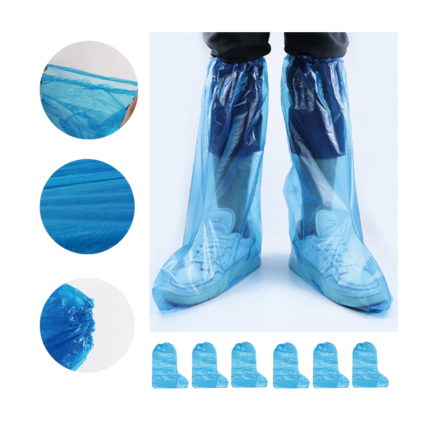
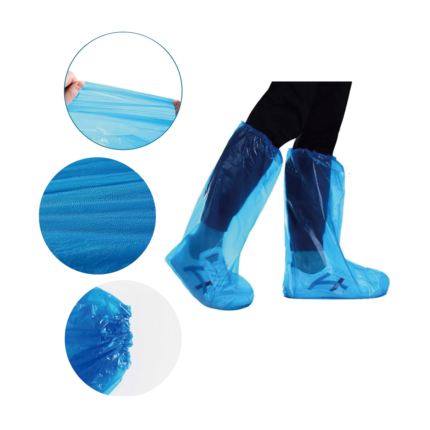
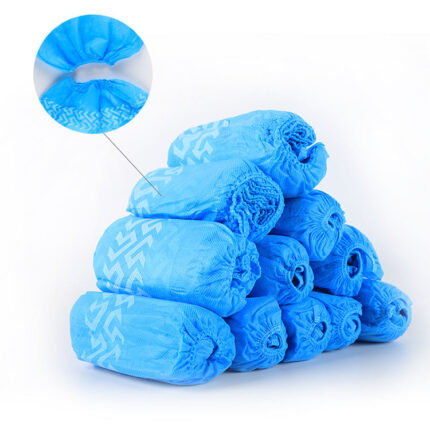
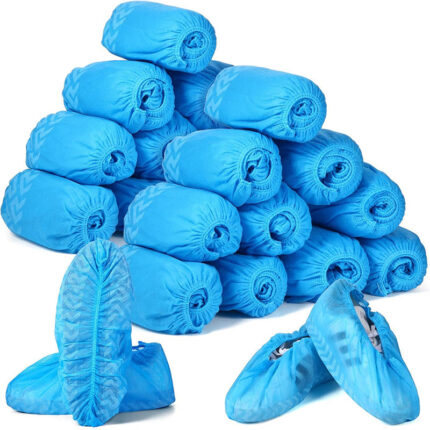
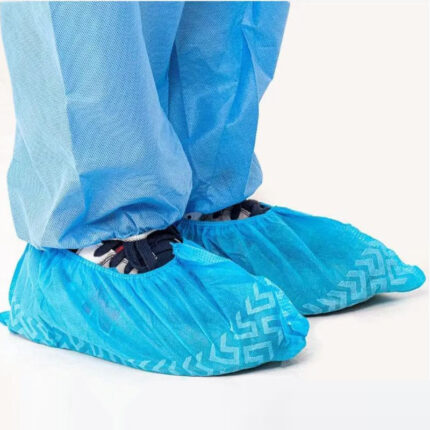
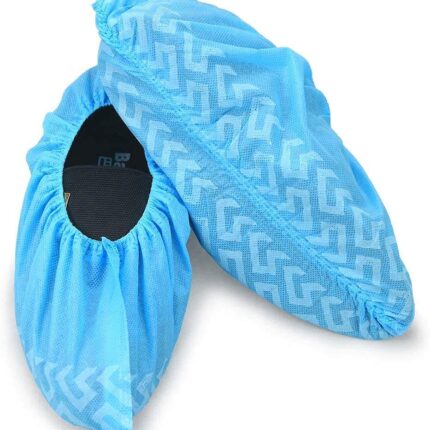
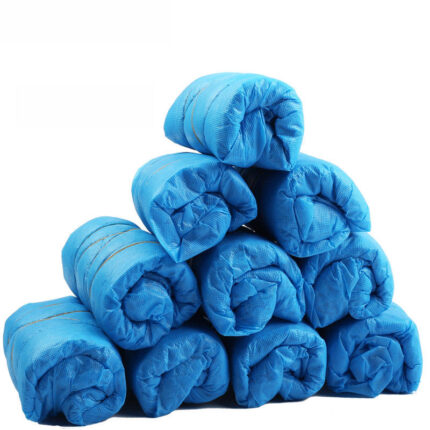
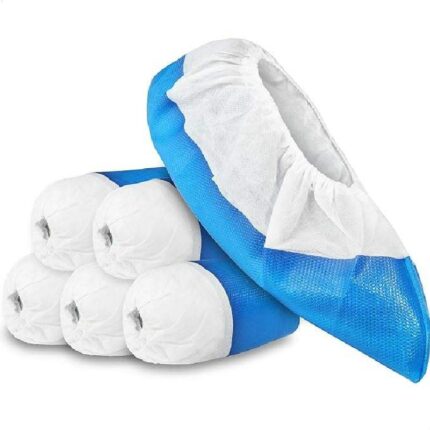
To prevent cross-contamination in cleanrooms or hospitals, foot protection such as shoe covers and boot covers are manufactured from reinforced PP non-woven fabric. These products often include anti-skid patterns printed directly onto the PP surface to ensure worker safety on tiled floors. This effectively prevents the tracking of dust and biological contaminants between different hygiene zones.
PP Non-Woven Material Uses Beyond the Clinic?
While medical use is the most visible, PP non-woven materials are integral to several other sectors. In the food processing industry, lightweight hairnets and aprons prevent physical contamination of the production line. In electronics and cleanroom environments, low-linting PP fabrics protect sensitive components from human-generated particles. Additionally, in industrial decoration and painting, disposable coveralls protect workers from dust, paint overspray, and non-hazardous chemicals.
Manufacturing Excellence: The Ruichen Advantage?
At Hubei Ruichen Protective Products Co., Ltd, we leverage over 10 years of manufacturing expertise in the heart of China’s non-woven hub, Xiantao. Our production process integrates cost-saving measures, such as in-house PE and CPE film production, which we laminate with high-grade PP non-woven fabric to create superior SF and PP+PE materials. Our facility is ISO9001 and ISO13485 certified, ensuring that every roll of PP fabric and every finished garment meets the stringent quality requirements of the international healthcare market.
Conclusion
PP non-woven fabric is the silent hero of the PPE industry. Its ability to balance barrier protection with breathability and cost-efficiency makes it the gold standard for disposable safety wear. Whether you are sourcing basic SBPP head covers or advanced SMS surgical gowns, understanding the material’s properties ensures you select the right level of protection for your specific environment. As global safety standards continue to evolve, the innovation within Polypropylene manufacturing remains at the forefront of human protection.
FAQ
1. Is PP non-woven fabric recyclable?
Yes, Polypropylene is a Category 5 plastic. While used medical PPE is often treated as biohazardous waste and incinerated, unused or non-contaminated PP scraps from manufacturing are fully recyclable into other plastic products, contributing to a more sustainable manufacturing loop.
2. What does GSM mean in PP fabric?
GSM stands for Grams per Square Meter. It measures the density and thickness of the fabric. Lower GSM (15-20) is used for lightweight items like hairnets, while higher GSM (40-65) is used for heavy-duty coveralls and surgical gowns that require higher barrier strength.
3. Is SBPP the same as SMS?
No, they are different structures. SBPP is a single layer of spunbond fabric. SMS is a composite material with a meltblown layer sandwiched between two spunbond layers, providing much higher filtration and fluid resistance than a single layer of SBPP.
4. Can PP non-woven fabric protect against viruses?
On its own, standard SBPP is a physical barrier but not a certified viral barrier. For virus protection, you must use materials with a meltblown layer or microporous film lamination that meet specific international standards like EN 14126 for infective agents.
Reference Sources
ISO 13485:2016 Quality Management Systems for Medical Devices