

Fiberglass Insulation Safety: PPE Guide

Fiberglass insulation is widely used in residential and commercial buildings because of its thermal insulation properties. It is relatively easy to handle during installation, but the tiny glass fibers can become airborne when the material is cut, moved, or disturbed.
For installers, even a short period of direct contact can lead to itchy skin, eye irritation, or discomfort in the nose and throat. Working in an enclosed space or handling loose-fill insulation may increase exposure to airborne particles.
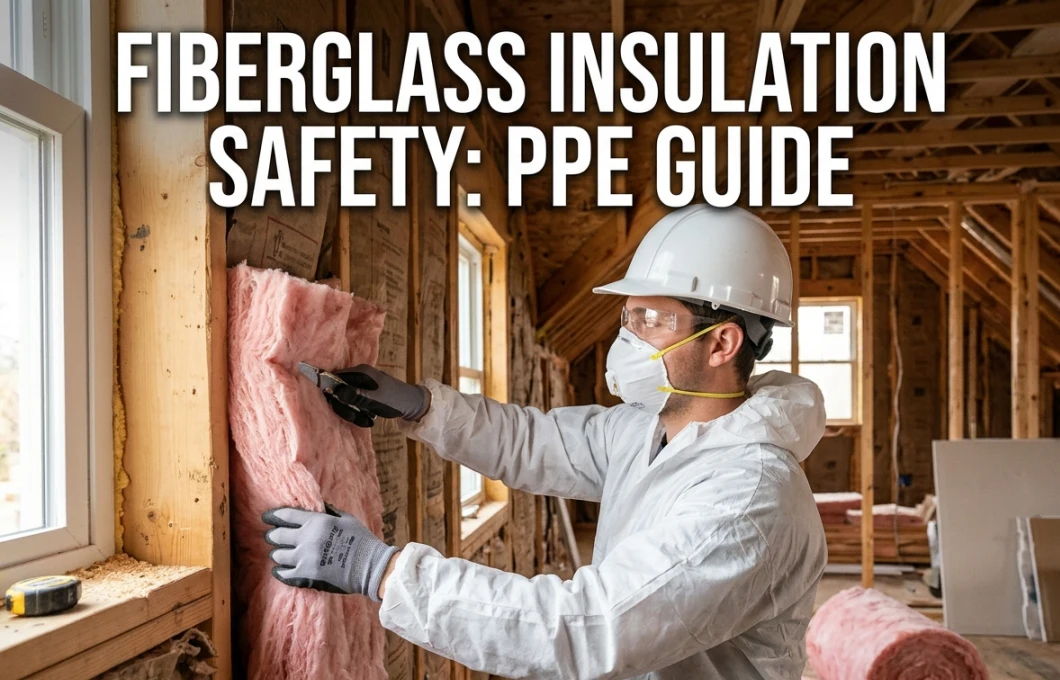
The right fiberglass insulation PPE makes a noticeable difference. Protective clothing, suitable respiratory protection, gloves, and safety goggles help limit contact with fiberglass fibers throughout the job.
Whether you are handling a small home improvement project or working on a larger construction site, it is worth preparing your protective equipment before opening the insulation packaging.
What PPE Do You Need for Fiberglass Insulation?
Fiberglass particles are small enough to reach exposed skin, eyes, and the respiratory system. Regular work clothes may leave gaps around the wrists, neck, and ankles, allowing fibers to come into contact with your body.
A practical set of fiberglass safety gear should cover the main areas of exposure.
1. Disposable Coveralls for Skin Protection
Long sleeves and long pants provide a basic barrier, but they may not offer enough coverage when you are handling insulation overhead or working in confined areas.
Disposable coveralls are a practical option for this type of work. They cover the torso, arms, and legs, helping reduce direct contact between fiberglass fibers and your skin.
When choosing the best coveralls for fiberglass, pay attention to:
- Full-body coverage: Look for a design with long sleeves and full-length legs.
- Secure closures: Elastic cuffs and suitable front closures help reduce gaps around the wrists and ankles.
- Comfort and mobility: The garment should allow you to bend, reach, and move without restricting normal work.
- Material suitability: Choose protective clothing appropriate for the task and expected exposure.
A hooded coverall can also help cover the head and neck when working with insulation above shoulder level.
Disposable protective clothing is particularly convenient when workers need to remove contaminated garments after completing the job. Follow the garment manufacturer’s instructions for use and disposal.
2. Respiratory Protection for Airborne Fibers
Fiberglass insulation can release fine particles when workers cut, pull apart, or move the material. Breathing in these particles may irritate the nose, throat, and respiratory tract.
Respiratory protection should be selected according to the working conditions and expected exposure.
An N95 respirator or a higher level of suitable respiratory protection may be needed, particularly when handling loose-fill or heavily disturbed insulation.
A few details deserve attention:
- Select a respirator designed to filter airborne particles.
- Make sure it fits properly and forms a suitable seal around the face.
- Check the manufacturer’s instructions before use.
- Replace damaged, dirty, or poorly fitting equipment.
A loose-fitting dust mask should not be treated as an equivalent substitute for a properly selected respirator.
3. Safety Goggles to Protect Your Eyes
Fiberglass particles can become airborne during cutting and installation. If they enter the eyes, they may cause irritation and discomfort.
Safety goggles provide a barrier against loose fibers and dust. Choose a design that fits comfortably around the eyes and stays in place while you work.
Ordinary prescription glasses do not provide the same level of coverage as properly fitted protective goggles.
4. Protective Gloves for Hand Safety
Hands often come into direct contact with insulation when workers move, position, or cut the material.
Protective gloves help reduce skin exposure and make handling easier. Choose gloves that cover the hands and wrists without making it difficult to grip tools or insulation materials.
Longer cuffs can provide additional coverage around the wrists, especially when used with long-sleeved protective clothing.
How to Protect Yourself from Fiberglass During Installation
Wearing appropriate PPE is only part of the job. The way you handle fiberglass insulation also affects how much dust and loose fiber enters the working area.
A few practical precautions can help keep exposure under control.
1. Keep the Working Area Well Ventilated
Before starting installation, check the ventilation in the working area.
Fiberglass particles may become suspended in the air when insulation is disturbed. Working in a poorly ventilated space can make it harder to control exposure.
Open suitable windows or use appropriate ventilation equipment when conditions allow. Avoid directing airflow in a way that spreads loose fibers into other occupied areas.
2. Handle Insulation Carefully
Fiberglass batts and rolls can release loose fibers when they are pulled apart, compressed, or cut.
Avoid unnecessary handling and do not shake insulation materials. When cutting batts or rolls, use a suitable utility knife and a stable cutting surface.
Keep exposed insulation away from your face. Wearing gloves and protective clothing also helps limit direct contact during handling.
3. Be Careful Around Electrical Wiring
Insulation work often takes place inside wall cavities, ceilings, and other areas where electrical wiring may be present.
Before working around these installations, identify potential electrical hazards. Do not cut blindly through concealed areas or assume that wires are safe to touch.
Rubber gloves should never be treated as a substitute for proper electrical isolation or qualified electrical work. If wiring needs to be moved or handled, consult a qualified electrician.
4. Clean the Area After Installation
The job is not complete when the insulation has been installed. Loose fibers may remain on clothing, tools, floors, and nearby surfaces.
Clean the working area carefully:
- Collect larger pieces of leftover insulation.
- Use a vacuum cleaner equipped with a HEPA filter to remove remaining particles.
- Avoid dry sweeping or other cleaning methods that may spread fibers into the air.
- Place collected waste in a suitable bag and seal it before disposal.
Follow local waste disposal requirements and the insulation manufacturer’s cleaning recommendations.
5. Remove Protective Clothing Carefully
Contaminated clothing can transfer fiberglass fibers to your skin or other surfaces if it is handled carelessly.
Remove disposable coveralls slowly and avoid shaking them. Follow the garment’s disposal instructions and wash your hands after removing your PPE.
If you experience skin irritation, avoid rubbing or scratching the affected area. Follow appropriate skin-cleaning guidance and seek medical advice if symptoms persist or become severe.
What Are the Best Coveralls for Fiberglass Insulation?
Choosing protective clothing depends on the installation environment, the amount of insulation being handled, and the expected level of exposure.
For many insulation installation tasks, disposable coveralls offer a convenient way to cover ordinary work clothing and reduce direct skin contact.
When comparing different options, consider the following:
| Selection Factor | What to Look For |
|---|---|
| Coverage | Full-length sleeves and legs |
| Fit | Comfortable fit without excessive gaps |
| Cuffs | Elastic or secure wrist and ankle openings |
| Closure | Front closure that stays securely fastened |
| Material | Suitable for the task and expected exposure |
| Design | Hooded or non-hooded depending on working conditions |
There is no single coverall design that suits every insulation project. A lightweight garment may be more comfortable for routine work, while a more protective design may be appropriate when exposure conditions require it.
Remember that protective coveralls do not replace a suitable respirator, safety goggles, or gloves. Each item addresses a different exposure route.
FAQ About Fiberglass Insulation PPE
How do you protect yourself from fiberglass insulation?
Wear suitable protective clothing, gloves, safety goggles, and a properly selected respirator. Keep the working area ventilated, handle insulation carefully, and clean up loose fibers after installation.
Is an N95 respirator suitable for fiberglass insulation?
An N95 respirator may be suitable for certain fiberglass insulation tasks involving airborne particles. Proper fit and the actual exposure conditions matter. Follow applicable respiratory protection requirements and the respirator manufacturer’s instructions.
Can fiberglass insulation get through clothing?
Loose fiberglass particles can come into contact with skin through gaps, openings, or unsuitable clothing. Long sleeves and full-length pants help reduce exposure, while suitable coveralls provide additional coverage.
What are the best coveralls for fiberglass installation?
Look for coveralls that provide full-body coverage, secure closures, and comfortable movement. The material and garment design should match the working conditions and expected exposure.
Should you wear goggles when installing fiberglass insulation?
Yes. Protective goggles help prevent loose fiberglass particles from reaching the eyes, particularly during cutting, handling, and overhead installation.
How should you clean up after working with fiberglass?
Collect leftover insulation carefully, use a HEPA-filtered vacuum for remaining particles, and seal collected waste in a suitable bag. Avoid cleaning methods that unnecessarily spread fibers into the air.
Choose the Right PPE Before Starting Your Next Insulation Project
Fiberglass insulation installation requires more than basic work clothes. Loose fibers can reach exposed skin, eyes, and the respiratory system, especially when materials are cut or disturbed.
A suitable combination of disposable coveralls, gloves, respiratory protection, and safety goggles helps reduce these exposure risks. Good ventilation, careful handling, and proper cleanup make the working environment easier to manage.
For contractors, construction companies, and industrial safety distributors, selecting appropriate protective clothing is an important part of preparing workers for insulation-related tasks.
Choose PPE according to the actual working conditions, product specifications, and applicable safety requirements.