


Vapor Abrasive Blasting PPE Safety

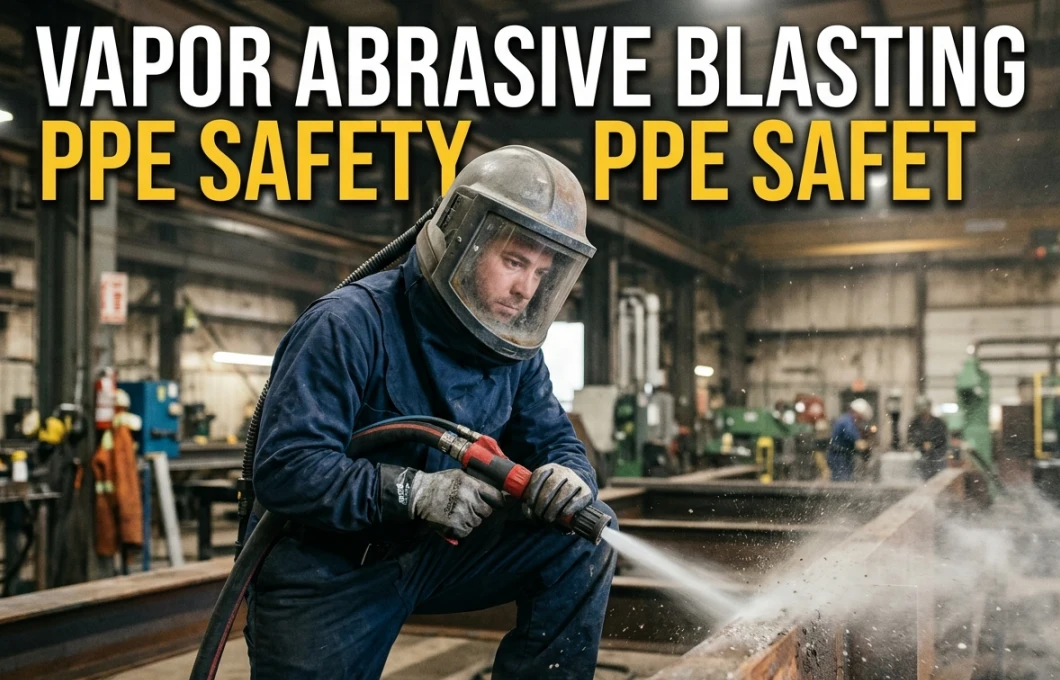
Vapor abrasive blasting is often chosen for surface cleaning and restoration because it combines water with abrasive media to remove dirt, coatings, and surface buildup. Compared with dry blasting, the water helps keep airborne dust and debris down during the process.
That does not mean the work is risk-free.
Operators still work around high-pressure equipment, abrasive particles, water splashes, noise, and potentially hazardous materials removed from the surface. The right vapor abrasive blasting PPE depends on the material being blasted, the surrounding environment, and the tasks each worker performs.
A suitable protective setup helps reduce exposure and makes it easier for workers to handle the job safely.
What Makes Vapor Abrasive Blasting a PPE Concern?
Vapor abrasive blasting, also called wet abrasive blasting or vapor blasting, uses a pressurized water stream mixed with abrasive media such as glass beads or garnet. The mixture strikes the target surface and removes unwanted material through abrasion.
The water helps suppress dust, but it does not eliminate every workplace hazard.
For example, removing an old coating may release particles from the original surface. Water and abrasive media can also splash back toward the operator. The equipment itself may generate substantial noise, while the work area can contain other hazards depending on the material and site conditions.
Before choosing PPE for vapor abrasive blasting, consider:
- The type of surface and coating being removed.
- The abrasive media used during the process.
- Potential dust, chemical, or other airborne exposure.
- Water splashes and flying debris.
- Noise levels around the blasting equipment.
- Whether the work takes place in an open or enclosed area.
These details help determine which protective equipment workers need and where additional safety measures may be necessary.
Essential PPE for Vapor Abrasive Blasting
There is no single PPE combination that suits every blasting job. Workers should select equipment according to the actual exposure risks rather than relying on a standard checklist alone.
1. Respiratory Protection
Even though water helps control airborne dust, workers may still encounter fine particles during abrasive blasting. The type of material being removed also affects the respiratory risk.
A basic dust mask should not automatically be considered sufficient protection. If the work involves hazardous particles or other airborne contaminants, a more suitable respirator may be necessary.
When selecting a vapor blasting respirator, consider the contaminants present, expected exposure, and the protection level required for the task. Workers should use respiratory protection appropriate to the assessed risk.
It is also important to check that the equipment fits properly and is maintained according to its instructions.
For supervisors, respiratory protection should be part of the overall job-site safety plan, not simply an item handed to workers before a shift.
2. Safety Glasses and Goggles
Water splashes and flying abrasive particles can reach the face during blasting. Eye protection helps reduce the chance of irritation or injury.
Heavy-duty safety glasses or protective goggles may be appropriate, depending on the equipment and working conditions.
The choice should account for how much splash and debris the operator may encounter. Workers should also inspect their eye protection regularly. Scratched lenses, damaged frames, or poor-fitting equipment can interfere with visibility and protection.
If an eye injury occurs, prompt medical attention is important.
3. Protective Gloves
Operators handle blasting equipment, abrasive materials, and other tools throughout the job. Their hands may come into contact with rough surfaces, abrasive media, water, or chemicals left on the material being cleaned.
Protective gloves should be durable enough for the task and provide suitable resistance to the hazards involved.
A glove that works well for handling equipment may not provide the same protection against chemical exposure or abrasion. For that reason, glove selection should follow the actual materials and working conditions.
Check gloves for tears, worn areas, and damaged seams before use. Replace them when they can no longer provide reliable protection.
4. Hearing Protection
Vapor abrasive blasting equipment can produce considerable noise. Prolonged exposure to high noise levels may put workers’ hearing at risk.
Earplugs and earmuffs are common forms of hearing protection. The appropriate option depends on the noise generated by the machinery and the conditions at the worksite.
Workers should wear hearing protection when required and make sure it fits correctly. Damaged or poorly fitted equipment may reduce its effectiveness.
5. Protective Clothing and Coveralls
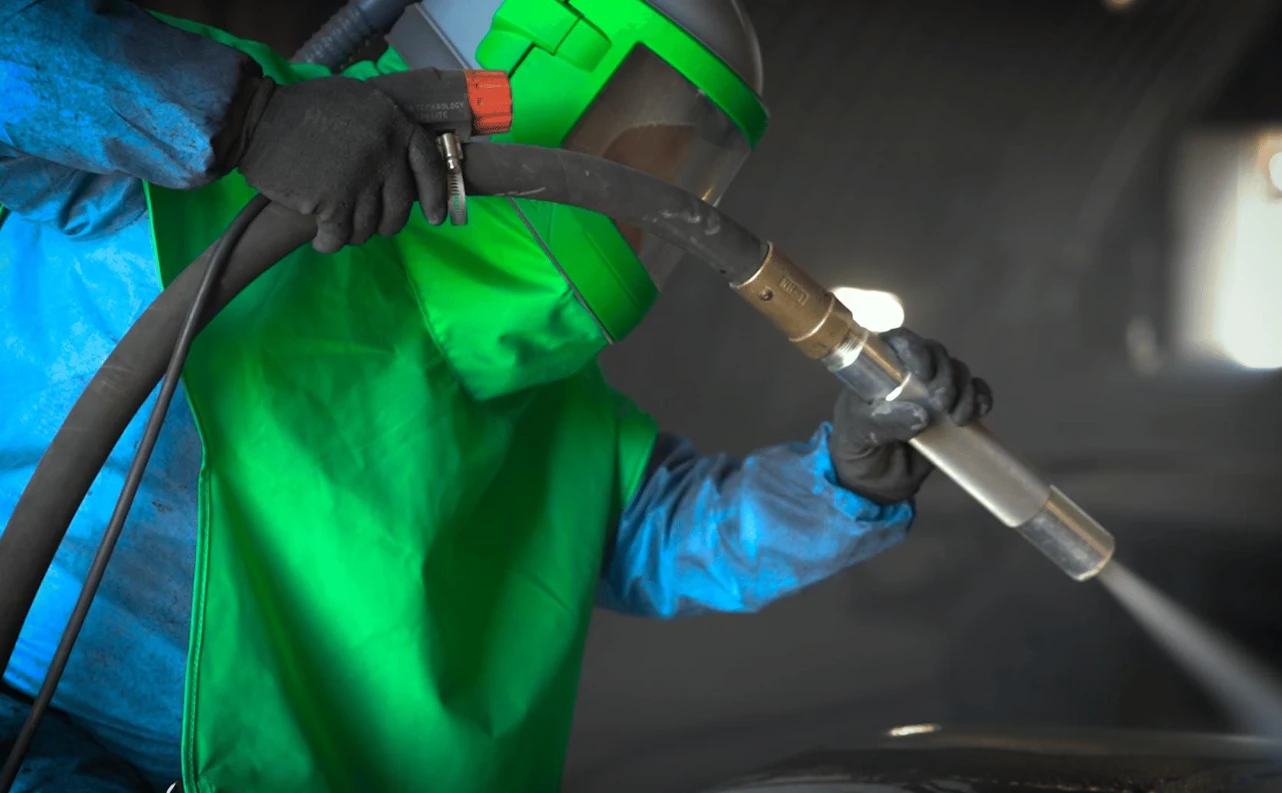
Clothing is easy to overlook when planning abrasive blasting safety equipment, but it matters. Operators may face water splashes, abrasive rebound, dirt, and contact with residues removed from the surface.
Suitable work clothing should cover exposed skin and allow workers to move comfortably. Depending on the job, high-visibility clothing, protective coveralls, or other task-specific garments may be needed.
Abrasive blasting coveralls should be selected according to the exposure conditions. Consider the material being removed, the possibility of liquid splashes, and whether the garment can withstand the demands of the task.
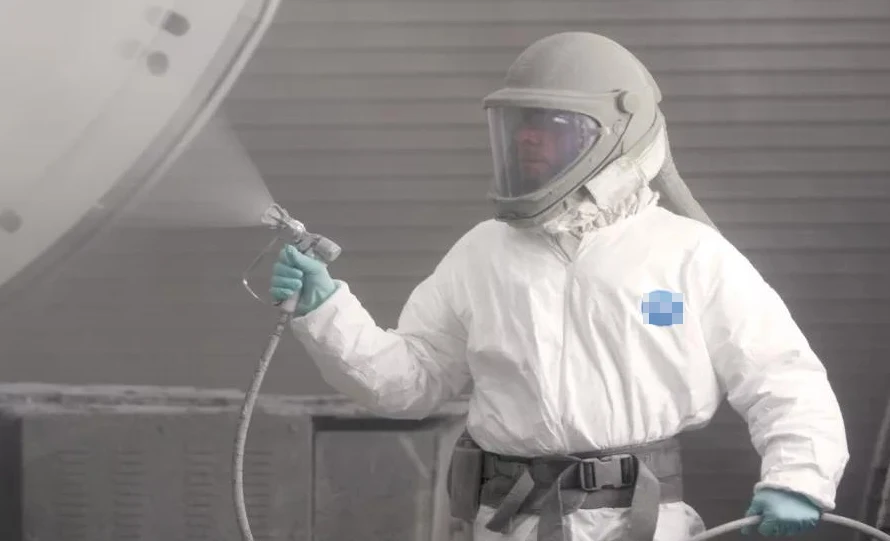
For jobs where disposable protective clothing is appropriate, the garment should provide the level of coverage required by the risk assessment. It should also fit properly around the body, wrists, and ankles without restricting movement.
Loose or poorly fitted clothing can create practical problems around machinery. Workers should choose garments that allow safe movement and follow site-specific clothing requirements.
6. Safety Footwear and Head Protection
The working area around blasting equipment may be wet, uneven, or covered with abrasive material. Appropriate safety footwear helps workers move around the site with greater stability and protection.
Head protection may also be necessary, particularly where workers face overhead hazards or operate in industrial environments with specific hard-hat requirements.
High-visibility clothing can help make workers easier to see when machinery, vehicles, or other site activities are present.
These items should be selected based on the work environment rather than assumed to be identical for every blasting operation.
Additional Safety Precautions Beyond PPE
Personal protective equipment is only one part of a safe blasting operation. The surrounding environment and the way equipment is handled also deserve attention.
Keep Ignition Sources Away From Flammable Materials
Vapor abrasive blasting may take place around industrial coatings, chemicals, or other materials that create additional hazards. Where flammable substances are present, potential ignition sources must be kept at a safe distance from the work area.
The specific precautions should reflect the materials involved and the conditions at the site.
Monitor Air Quality in Enclosed Spaces
Confined or enclosed work areas require particular care. Air conditions can change during the job, especially when workers are removing coatings or cleaning contaminated surfaces.
A suitable gas monitor can help identify changes in air quality that may indicate a hazardous atmosphere or explosion risk.
Workers should not rely on the appearance or smell of the air to judge whether an enclosed area is safe.
Train Workers to Use Equipment Correctly
Protective equipment only helps when workers understand how to use it. Operators should receive appropriate training on blasting equipment, PPE selection, inspection, and safe working procedures.
Supervisors should also check that workers understand which protective items are required for their assigned tasks.
Regular training and equipment checks help keep safety procedures consistent across the worksite.
How to Choose PPE for Vapor Abrasive Blasting
Choosing PPE is easier when the selection starts with the actual job rather than a product list.
A practical assessment should answer several questions:
| Assessment area | What to check |
|---|---|
| Surface material | What coating, dirt, or substance will be removed? |
| Abrasive media | Is glass, garnet, or another abrasive being used? |
| Respiratory exposure | Could workers inhale dust or other airborne contaminants? |
| Splash exposure | How much water or debris may reach the operator? |
| Noise | What level of hearing protection is appropriate? |
| Work environment | Is the area open, enclosed, or confined? |
| Worker movement | Does the clothing allow safe and comfortable movement? |
Once these factors are clear, employers can select suitable respiratory protection, eye protection, gloves, protective clothing, hearing protection, footwear, and head protection.
PPE should also be checked regularly. Damaged equipment, poor fit, or unsuitable materials can reduce the protection workers receive.
FAQ
What PPE is required for vapor abrasive blasting?
Typical PPE may include respiratory protection, safety glasses or goggles, protective gloves, hearing protection, suitable work clothing or coveralls, safety footwear, and head protection where required. The exact combination depends on the material being removed and the working environment.
Is a dust mask enough for vapor abrasive blasting?
Not necessarily. Water helps suppress dust, but airborne particles and other contaminants may still be present. Respiratory protection should be selected according to the exposure assessment. A basic dust mask should not be assumed to provide adequate protection for every blasting task.
What type of respirator is used for vapor blasting?
The appropriate respirator depends on the contaminants, their concentration, and the conditions of the job. Workers should use respiratory protection suited to the identified hazards rather than choosing a respirator based on the blasting method alone.
Are coveralls necessary for abrasive blasting?
Protective clothing or coveralls may be needed to reduce contact with water splashes, abrasive media, dirt, and residues from removed coatings. The required garment depends on the task and the level of exposure. Ordinary work clothing may not be suitable for every operation.
Is vapor abrasive blasting safer than dry blasting?
The water used in vapor abrasive blasting helps reduce airborne dust compared with dry blasting. However, it does not remove all potential hazards. Workers may still face exposure to contaminants, flying debris, noise, and other site-specific risks. Proper PPE and safe operating procedures remain necessary.
Prepare the Right Protective Equipment Before Work Begins
Vapor abrasive blasting can be an effective way to clean and restore industrial surfaces, but the work should never be treated as hazard-free simply because water is involved.
Employers need to assess the materials, equipment, and working environment before deciding what protection operators require. Suitable respiratory protection, eye and hand protection, hearing protection, clothing, and footwear all contribute to a more controlled working environment.
Regular PPE inspections and practical worker training help keep those measures in place throughout the job.
The goal is straightforward: give workers protective equipment that matches the actual risks, and make sure they know how to use it correctly.