
Blog
Lead Paint Removal PPE: Safety Guide

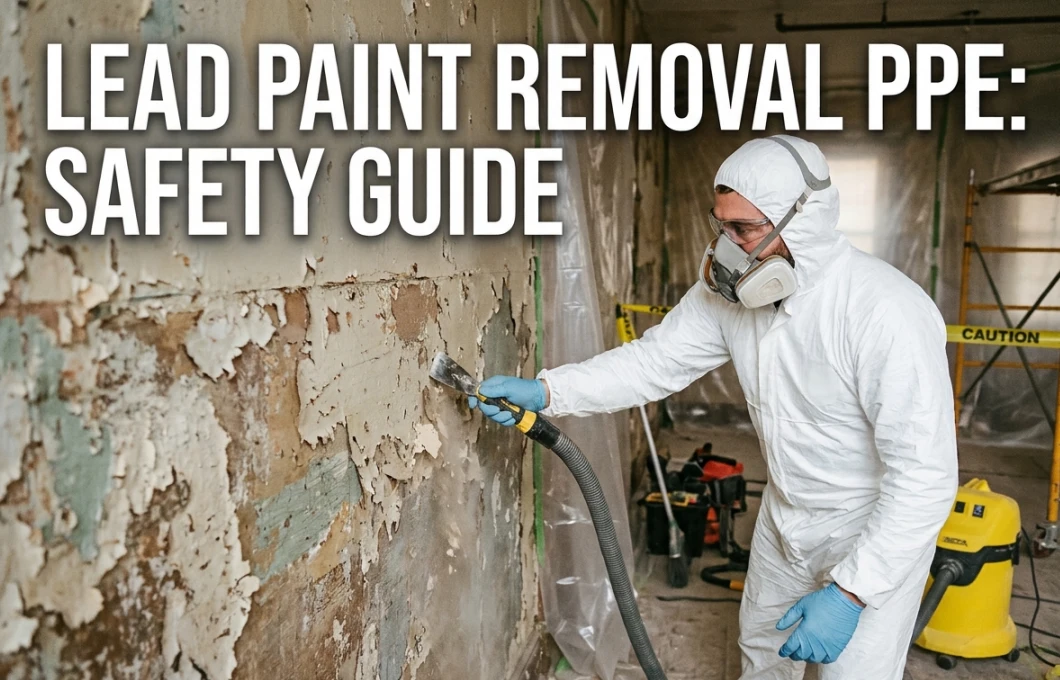
Lead paint can remain hidden beneath layers of newer paint in older homes, apartments, schools, and other buildings. The coating may look harmless when intact, but sanding, scraping, drilling, or demolishing a painted surface can release lead-contaminated dust and debris.
That is where lead paint removal PPE comes in. The right equipment helps reduce contact with hazardous dust and limits the amount of contamination workers carry away from the job site. Still, protective clothing alone cannot make an unsafe removal process safe. Containment, dust control, proper cleaning, and suitable respiratory protection all matter.
If you are planning a renovation or managing a lead abatement project, understanding what each item does—and where its limits lie—is a practical place to start.
Why Lead Paint Safety Matters
Lead exposure can affect the nervous system and other organs. Children are particularly vulnerable, and exposure can also be harmful to adults, including workers who repeatedly handle lead-containing materials.
In the United States, homes built before 1978 may contain lead-based paint. Age alone does not confirm its presence, so testing and an appropriate assessment are important before disturbing suspect surfaces.
The main concern during removal is the spread of contaminated dust. Dry sanding, uncontrolled scraping, and certain power-tool operations can disperse particles into the air or onto nearby floors, furniture, clothing, and equipment.
Good lead paint safety practices aim to keep dust contained, reduce exposure during the work, and prevent contamination from spreading beyond the work area.
What PPE Is Needed for Lead Paint Removal?
The appropriate PPE depends on the task, the level of exposure, the removal method, and applicable safety requirements. A professional assessment should guide equipment selection rather than relying on a one-size-fits-all kit.
1. Respiratory Protection
A suitable respirator helps reduce the inhalation of airborne lead particles. However, not every disposable mask provides adequate protection for every removal task.
The best respirator for lead paint work depends on the expected exposure, the respirator’s assigned protection factor, the required filter, and the conditions in which it will be used. Under applicable OSHA requirements, respirator selection must follow the relevant respiratory protection rules. Required respirator use also involves appropriate fit testing, training, and a respiratory protection program.
Do not assume that an ordinary dust mask or any respirator labeled N95 is automatically suitable for a lead removal project. Check the applicable requirements and obtain competent occupational safety guidance before work begins.
2. Lead Paint Removal Coveralls
Protective coveralls help keep contaminated dust off the worker’s skin and everyday clothing. Disposable coveralls are often useful when a job involves extensive dust or when clothing could carry contamination into vehicles and homes.
When choosing lead paint removal coveralls, consider:
- Coverage: The garment should cover the areas likely to be exposed during the task.
- Fit: Sleeves, ankles, and closures should work with the other PPE without leaving avoidable gaps.
- Material: Select a garment appropriate for the expected dust, contact, and work conditions.
- Durability: The coverall should remain intact throughout the task and be replaced if torn or contaminated beyond its intended use.
- Removal and disposal: Workers need a procedure for taking off contaminated clothing without spreading dust.
Disposable coveralls help manage surface contamination, but they are not a substitute for respiratory protection or dust containment. The correct garment depends on the risk assessment; a general-purpose coverall should not automatically be treated as certified protective equipment for every hazardous task.
3. Protective Gloves
Gloves help limit direct contact with contaminated surfaces and debris. The material should be compatible with the work and any chemicals used during paint removal.
Check for tears or damage before use. Remove gloves carefully, avoid touching the face with contaminated hands, and follow the site’s hygiene and waste-handling procedures.
4. Eye and Face Protection
Protective eyewear helps shield the eyes from dust and flying debris. Depending on the removal method and associated hazards, workers may need suitable goggles, a face shield, or other task-specific protection.
Eye protection should be compatible with the selected respirator. A poor fit between equipment items can leave gaps or interfere with the seal of a tight-fitting respirator.
5. Shoe Covers and Other Protective Items
Lead-contaminated dust can settle on footwear and travel outside the work area. Disposable shoe covers may help limit this spread when they are suitable for the surface and working conditions.
Head coverings or additional protective clothing may also be needed. The selection should follow the site’s risk assessment and work procedures rather than a generic checklist.
Safe Practices Before and During Lead Paint Removal
PPE works best as part of a broader lead-safe work plan.
Prepare and contain the area. Remove movable items where practical and cover remaining surfaces with suitable protective sheeting. Restrict access to the work area, and manage ventilation systems where necessary to prevent dust from spreading.
Choose a suitable removal method. Avoid uncontrolled dry sanding and other practices that create excessive dust. Certain heat-based methods can release hazardous lead-containing emissions. Chemical stripping also requires careful handling because the stripping agent may introduce additional hazards. Use methods permitted by applicable regulations and appropriate for the surface.
Keep dust under control. Use suitable containment and dust-control equipment, including HEPA-filtered systems where required. Do not use ordinary household vacuum cleaners for lead-contaminated debris unless the equipment is specifically appropriate for the task.
Follow the correct PPE procedure. Inspect equipment before use, check respirator fit as required, and make sure workers understand how to put on and remove contaminated garments safely.
Clean and verify the area. Follow the relevant procedures for collecting debris, HEPA vacuuming, wet cleaning, waste disposal, and post-work verification. Visual cleanliness alone does not necessarily establish that a surface is free of lead hazards.
The US Environmental Protection Agency provides guidance on lead-safe renovation practices, including containment, dust control, and cleaning. OSHA’s lead standards address worker exposure, respiratory protection, and protective clothing in covered workplaces.
How to Choose the Right Lead Paint Removal PPE
For contractors, renovation companies, and purchasing teams, PPE selection should start with the actual work conditions.
Consider the removal technique, expected exposure, garment coverage, compatibility with gloves and respirators, and the required procedures for cleaning or disposal. For disposable coveralls, confirm the material, construction, sizing, and intended use before placing an order.
If you are sourcing protective clothing in bulk, ask suppliers for relevant technical specifications and supporting documentation. Do not rely on a product description alone to establish suitability for lead abatement work.
Employers and project managers should also confirm the applicable local requirements and ensure that workers receive the necessary training and equipment.
FAQ
What PPE is needed for lead paint removal?
Depending on the task and exposure assessment, PPE may include a suitable respirator, protective coveralls, gloves, eye protection, and shoe covers. Containment, dust control, cleaning, and safe removal procedures are also necessary.
What is the best respirator for lead paint removal?
There is no single best respirator for every job. The appropriate model and filter depend on the exposure assessment and applicable regulations. Required use must follow the relevant respiratory protection program, including fit testing and training where applicable.
Are disposable coveralls suitable for lead paint removal?
Disposable coveralls can help prevent contaminated dust from reaching skin and everyday clothing. Their suitability depends on the garment’s design, material, condition, and the hazards involved. They do not replace respiratory protection or safe work practices.
Can an N95 mask protect against lead paint dust?
An N95 respirator filters certain airborne particles, but that does not mean it is adequate for every lead paint removal task. The required respiratory protection must be determined from the exposure assessment and applicable safety rules.
Why should workers wear disposable coveralls?
Coveralls help limit contamination of the worker’s clothing and skin. Correct removal and disposal can also reduce the risk of carrying lead-contaminated dust into vehicles or living spaces.
How should lead-contaminated coveralls be handled?
Follow the site’s established procedures and applicable regulations for removal, containment, and disposal. Avoid shaking contaminated clothing or taking it home for ordinary laundering.
Is chemical stripping safer than sanding?
Chemical stripping may reduce some dust-generating activities, but it introduces chemical exposure and handling risks. The safest suitable method depends on the product, surface, work conditions, and applicable requirements.
How can lead paint removal dust be cleaned up?
Use appropriate HEPA vacuuming, wet-cleaning methods, controlled debris collection, and the required post-work verification procedures. Never assume that a room is safe simply because no dust is visible.
Choose Protective Clothing with the Job in Mind
Effective lead paint safety depends on the whole work process, from containment and exposure assessment to PPE selection and final cleanup. Protective coveralls can help reduce clothing contamination, but their value depends on choosing the right garment and using it correctly.
For contractors and distributors sourcing disposable protective clothing, clear specifications and accurate product documentation make it easier to assess whether a garment fits the intended application. Always confirm suitability against the project’s hazards and applicable safety requirements before use.