

Disposable Painters Coveralls: Guide

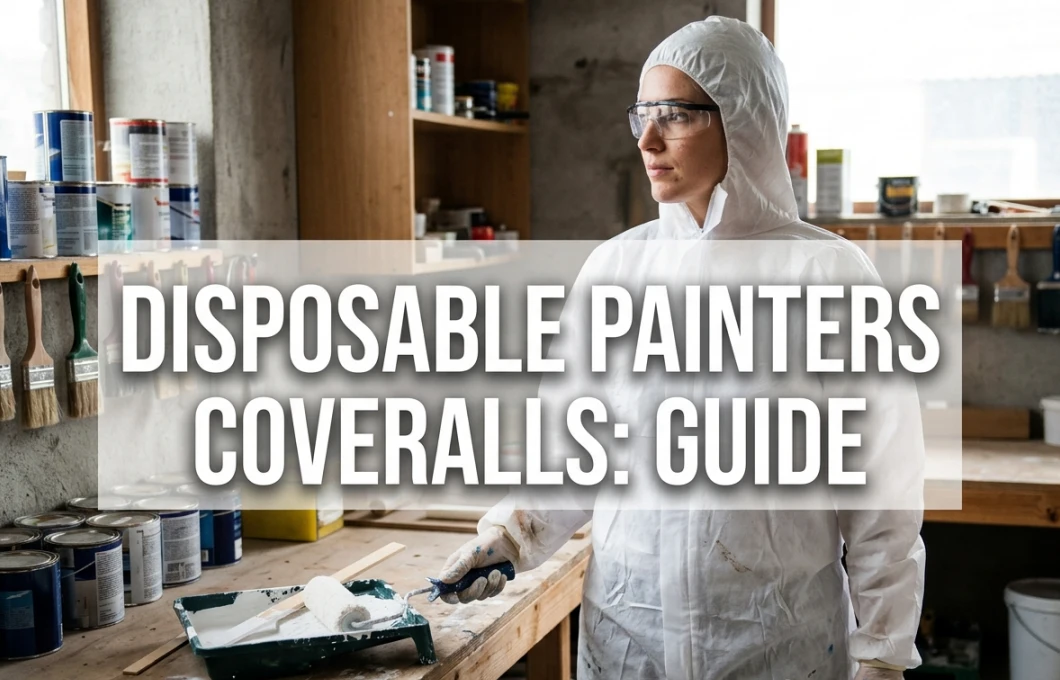
A fresh coat of paint can transform a room, but the work behind it is rarely clean. Paint splashes, fine dust, overspray, and stains can quickly ruin everyday clothing. For professional painters and decorating contractors, disposable coveralls offer a simple way to keep work clothes cleaner without dealing with repeated washing.
Still, not every disposable paint suit is made for the same job. A lightweight polypropylene coverall may be perfectly suitable for interior decorating, while a more substantial garment may be needed for dusty environments or tasks involving liquid splashes.
The right choice depends on what you are working with, how long you need to wear the garment, and the level of protection your job requires. This painting coverall guide looks at the common materials, product types, and practical details worth checking before you buy.
What Are Disposable Painters Coveralls?
Disposable painters coveralls are one-piece protective garments worn over regular clothing during painting, decorating, and related maintenance work. They usually cover the torso, arms, and legs, helping keep paint stains, dust, and general workplace dirt away from personal clothing.
Most disposable coveralls use lightweight nonwoven fabrics. Depending on the material and construction, they can offer different levels of breathability, tear resistance, and resistance to liquid splashes.
Unlike reusable workwear, disposable coveralls are designed for single-use or limited-use applications. Workers can change into a fresh garment for another task without having to wash and maintain a separate set of work clothes.
For painting contractors, maintenance teams, and businesses handling multiple projects, this can make workwear management more convenient.
Why Do Painters Use Disposable Coveralls?
Painting often involves more than holding a brush or operating a spray gun. Workers may need to sand surfaces, prepare walls, move materials, and clean equipment. Each activity can expose clothing to dust, paint residue, and other unwanted substances.
Disposable coveralls help reduce this everyday mess.
Keep Paint and Dust Away from Personal Clothing
Paint droplets and sanding dust can settle on sleeves, trousers, and other exposed areas. A full-body coverall provides an outer layer that helps prevent these materials from directly reaching everyday clothing.
The actual protection depends on the fabric, garment design, and type of paint or substance involved.
Make Clothing Changes Easier
Reusable workwear needs regular washing, drying, and storage. Disposable garments remove much of that routine maintenance.
This is particularly convenient for short-term jobs, temporary workers, and contractors who move between different locations.
Support Cleaner Working Environments
In workshops and maintenance areas, workers may move between preparation, painting, and cleaning tasks. Changing into a clean coverall when necessary can help reduce the transfer of dirt and paint residue between work areas.
Provide Practical Options for Different Budgets
Basic nonwoven coveralls are generally a practical choice for light-duty work. More specialized garments cost more but may be necessary when the working environment requires additional barrier performance.
For businesses purchasing in bulk, comparing fabric weight, garment construction, packaging, and intended use can help determine the overall value of each option.
Types of Disposable Painters Coveralls
The term disposable paint suit covers several different garment designs. Understanding their differences makes it easier to match the product to the actual working conditions.
1. Lightweight Polypropylene Coveralls
Lightweight polypropylene (PP) coveralls are commonly used for general-purpose protection.
Their nonwoven structure allows air to pass through, making them suitable for many indoor tasks where workers mainly need protection against dust, dirt, and minor paint splashes.
They are often selected for:
- Interior painting preparation
- General decorating
- Light maintenance work
- Dusty cleaning tasks
Their main limitation is their relatively basic barrier performance. They should not be treated as chemical-resistant garments or used where substantial liquid exposure is expected.
2. SMS Coveralls
SMS stands for Spunbond-Meltblown-Spunbond. The fabric combines two spunbond layers with a meltblown middle layer.
This construction offers a balance of breathability, strength, and barrier performance. Compared with basic single-layer spunbond PP, SMS fabric provides an additional barrier layer.
SMS coveralls can be considered for general industrial environments, maintenance work, and tasks where workers need a balance between comfort and material performance.
However, SMS is not automatically suitable for every painting operation. Its performance against specific paints, solvents, and chemicals must be evaluated separately.
3. Microporous Coveralls
Microporous coveralls use a laminated fabric structure designed to provide better resistance to liquid penetration than ordinary nonwoven PP.
They are often considered for environments involving dust, light liquid splashes, or more demanding workplace conditions.
Depending on the garment’s tested performance and construction, microporous coveralls may be suitable for certain painting and surface-treatment applications.
For spray painting or chemical handling, buyers should check the relevant protective clothing classification and test results rather than relying on the fabric name alone.
4. Waterproof Coveralls
Waterproof coveralls are designed to limit water penetration through the garment material. They may use coated fabrics or other barrier constructions.
They can be useful in wet working environments and cleaning operations. However, waterproof performance does not automatically mean protection against paint solvents or industrial chemicals.
Buyers should distinguish between resistance to water, resistance to liquid splashes, and chemical protection. These are different performance requirements.
5. Specialized Anti-Static and Flame-Resistant Coveralls
Some painting environments involve additional hazards, including static electricity or fire risks.
Specialized anti-static garments are designed to help control electrostatic charge when used as part of an appropriate protective system. Flame-resistant garments use materials or treatments intended for specific heat and flame hazards.
These products are not interchangeable with ordinary disposable painting coveralls. Their suitability depends on the workplace risk assessment, relevant standards, and product certification.
Common Materials Used in Disposable Painters Coveralls
Material selection has a direct effect on how a coverall feels and performs. A garment that works well for dust protection may not provide sufficient protection against liquid splashes.
Here are the common materials found in disposable protective clothing.
Polypropylene (PP)
Polypropylene is a widely used nonwoven material for disposable protective garments.
It is lightweight, relatively economical, and breathable. These characteristics make PP coveralls a practical option for general dust protection and light-duty work.
However, basic PP fabric has limited liquid barrier performance. It should not be selected as a substitute for specialized chemical protective clothing.
Spunbond Nonwoven Fabric
Spunbond is a manufacturing method used to produce continuous-filament nonwoven fabrics. Polypropylene is one of the common polymers used in this process.
Spunbond PP fabric offers a useful combination of low weight and fabric strength. Its performance depends on factors such as fabric weight, fiber structure, and garment construction.
It is frequently used in disposable coveralls, lab coats, and other protective garments.
SMS Fabric
SMS fabric combines spunbond and meltblown layers into one material.
The outer spunbond layers provide strength, while the meltblown middle layer contributes to the fabric’s barrier properties.
For buyers comparing disposable coveralls, SMS can be a useful option when both breathability and additional barrier performance are required.
Microporous Laminated Fabric
Microporous laminated fabric is made by combining a nonwoven base with a functional film layer.
The resulting structure is designed to limit liquid penetration while retaining a degree of water vapor permeability, depending on the material specification.
It is often used in protective coveralls intended for more demanding industrial environments.
Tyvek® Material
Tyvek® is a branded material developed by DuPont. It is known for its lightweight construction, durability, and low-lint characteristics.
Tyvek garments are used in various industrial and protective applications. However, their performance should be assessed according to the specific garment and its intended use.
It is important not to assume that every Tyvek garment provides protection against all chemicals or solvents.
How to Choose the Best Painters Coveralls
The best painters coveralls are not necessarily the thickest or most expensive. What matters is whether the garment matches the actual work.
Before selecting a disposable paint suit, consider the following factors.
1. Identify the Type of Painting Work
Different painting methods create different exposure conditions.
For general interior decorating, workers may mainly need protection against dust, dirt, and occasional paint splashes.
Spray painting can create airborne droplets and overspray that settle on clothing. The garment must be selected according to the paint formulation, application method, and exposure level.
Automotive refinishing and industrial coating operations may involve solvents or other hazardous substances. Ordinary disposable PP coveralls should not be assumed to provide sufficient protection in these environments.
2. Compare Fabric Performance
Do not choose a coverall based on fabric weight alone.
A higher GSM value generally indicates more material per unit area, but it does not automatically mean better liquid or chemical protection.
Compare:
- Fabric composition
- Liquid penetration resistance
- Breathability
- Tear and abrasion resistance
- Seam construction
- Test results and certification
These details provide a more useful picture of garment performance than thickness alone.
3. Check Size and Garment Design
Painters frequently bend, stretch, climb, and work with their arms raised. A coverall that is too tight can restrict movement, while an oversized garment may become uncomfortable or catch on nearby objects.
Check the size chart before purchasing. Pay attention to chest width, body length, sleeve length, and leg length.
Useful design details may include:
- Elastic cuffs and ankles
- Elastic waist
- Hooded design
- Front zipper closure
- Reinforced or covered seams
The right combination depends on the work environment and the level of coverage required.
4. Consider Wearing Time and Comfort
Breathability becomes more important when workers wear protective clothing for extended periods.
Lightweight PP and SMS garments may feel more comfortable in some general-purpose applications. Laminated fabrics can provide additional barrier performance but may have different heat and moisture management characteristics.
The best choice is a reasonable balance between protection and wearing comfort.
5. Review Purchasing and Supply Requirements
For distributors, contractors, and industrial buyers, product selection also involves supply considerations.
Before placing a bulk order, confirm:
- Available fabric materials and GSM options
- Size range and color availability
- Packaging specifications
- Minimum order quantity
- Customization options
- Product test reports and applicable certifications
- Production lead time and delivery arrangements
A supplier should be able to explain the garment’s material specifications and provide relevant supporting documents when required.
Are Disposable Coveralls Suitable for Spray Painting?
They can be, but the answer depends on the type of paint, spray method, and workplace hazards.
For basic water-based painting tasks with limited exposure, a suitable disposable coverall may help keep paint droplets and dust away from personal clothing.
Solvent-based paints, industrial coatings, and automotive spray applications require more careful assessment. Some formulations contain substances that can pass through or damage ordinary protective fabrics.
Workers should select garments based on the manufacturer’s chemical compatibility information and applicable protective clothing requirements.
A coverall also does not replace respiratory protection, eye protection, gloves, or ventilation controls. These measures should be selected according to the specific hazards involved.
How to Use and Store Disposable Painters Coveralls
Even a suitable protective garment can become less effective if it is damaged or used incorrectly.
A few simple checks can help maintain its intended performance.
Inspect before wearing. Check the fabric, zipper, seams, cuffs, and other closure areas for visible tears or defects.
Choose the correct size. Make sure the garment covers the required areas without restricting normal movement.
Avoid unnecessary reuse. Disposable coveralls are intended for single-use or limited-use applications, depending on their specifications. Do not continue wearing a garment that is torn, contaminated, or no longer provides the intended protection.
Store unused garments properly. Keep them in their original packaging when possible. Choose a cool, dry storage area away from direct sunlight and damaging conditions.
Dispose of used garments appropriately. Follow local waste management rules and workplace procedures. If a garment has been contaminated with hazardous substances, it may require special disposal rather than ordinary waste handling.
Frequently Asked Questions
What are the best disposable coveralls for painters?
The best option depends on the job. Lightweight PP coveralls suit general dust and dirt protection, while SMS and microporous garments may offer additional barrier performance for more demanding applications.
Are disposable painters coveralls waterproof?
Not all of them. Basic PP and SMS coveralls are not fully waterproof. Laminated or coated garments may offer better resistance to liquid penetration, depending on their specifications.
Can I use disposable coveralls for spray painting?
Some garments may be suitable for certain spray-painting tasks. However, solvent exposure and airborne paint droplets require careful assessment of material compatibility and protective clothing performance.
What is the difference between PP and SMS coveralls?
PP spunbond coveralls typically use a single spunbond nonwoven layer. SMS coveralls combine spunbond and meltblown layers, providing a different balance of strength, breathability, and barrier performance.
Are disposable paint suits reusable?
They are generally designed for single-use or limited-use applications. Reuse should follow the manufacturer’s instructions and workplace safety requirements. Damaged or contaminated garments should be replaced.
What should bulk buyers check before ordering disposable coveralls?
Check fabric composition, GSM, available sizes, garment construction, packaging, MOQ, customization options, and relevant test reports. These details help ensure the product matches the intended application.
Choosing the Right Disposable Coveralls for Your Work
A good disposable coverall should match the job rather than simply look heavy or durable. For general decorating, lightweight nonwoven garments may be sufficient. More demanding painting operations call for closer attention to liquid resistance, chemical compatibility, and certified protective performance.
For contractors and distributors purchasing in volume, getting the material and garment specifications right can also make a difference to long-term purchasing costs.
Take the time to compare the available options, ask suppliers for technical details, and select a garment that fits the actual working conditions. That is a more reliable way to choose disposable painters coveralls than relying on appearance or fabric weight alone.