

Disposable Paint Coveralls: Essential Shield

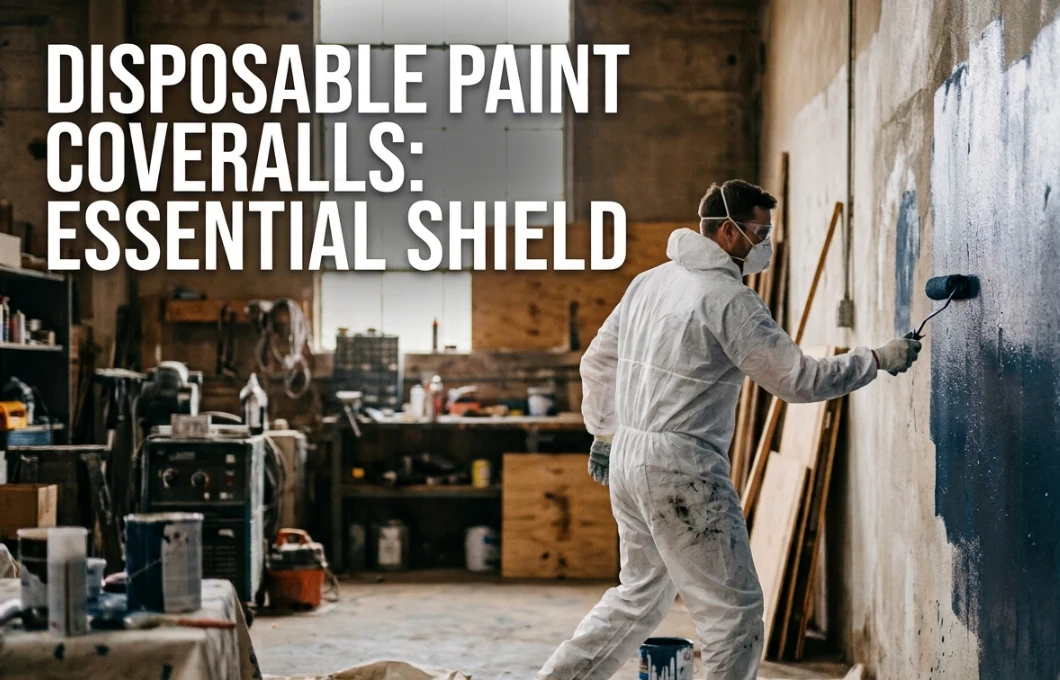
A fresh coat of paint can transform a room, restore an old surface, or give industrial equipment a new finish. But anyone who has worked with paint knows how quickly a clean job can turn messy. Small splashes land on sleeves, fine spray settles on clothing, and sanding dust finds its way into places you would rather keep clean.
For painters and industrial workers, wearing old clothes is rarely a reliable solution. Disposable paint coveralls provide a practical barrier between the worker and common contaminants generated during painting, coating, and surface preparation.
The right suit depends on the materials being used, the application method, and the level of exposure. A lightweight PP coverall may work well for basic painting tasks, while spray operations or more demanding industrial environments may require a different protective material.
Understanding these differences makes it easier to choose suitable disposable coveralls for painting without paying for protection the job does not require—or overlooking protection that it does.
Why Do Painters Wear Disposable Paint Coveralls?
Painting involves more than direct contact with wet paint. Workers may encounter airborne droplets, surface dust, splashes, and residues from primers or cleaning products. The level of exposure changes with each task.
A properly selected paint coverall helps reduce direct contact with these contaminants and keeps personal clothing cleaner.
Protection Against Paint Splashes and Spray Mist
Brushes and rollers can produce unexpected splashes, particularly when working overhead or around corners. Spray painting creates a different challenge. Fine droplets can settle across the arms, torso, and legs, even when the worker is standing some distance from the surface.
A disposable paint suit provides a physical barrier against these contaminants. Its effectiveness depends on the fabric, garment construction, seam design, and the type of paint involved.
Workers handling solvent-based coatings or chemical products should check the garment’s specific chemical resistance rather than assuming that every disposable suit offers the same protection.
Keeping Dust and Particles Away from Clothing
Surface preparation often creates as much mess as painting itself.
Sanding, scraping, and removing old coatings can release fine particles that settle on clothing and exposed skin. Disposable coveralls help prevent this dust from collecting on everyday garments.
They can also reduce the amount of contamination carried away from the work area. However, coveralls do not replace suitable respiratory protection when airborne dust or hazardous particles are present.
Full-Body Coverage for Different Working Positions
Painters rarely remain in one position throughout a project. They bend, kneel, reach overhead, and work around equipment or narrow spaces.
Ordinary work shirts and aprons leave several areas exposed. A full-body coverall provides coverage across the torso, arms, and legs. Depending on the design, it may also include an attached hood, elastic ankle openings, or integrated boot covers.
These details become particularly useful during overhead painting and spray applications.
Less Time Spent Cleaning Work Clothes
Paint stains can be difficult to remove, especially after they have dried. Some coatings also leave odors or residues on fabric.
For contractors moving between multiple job sites, disposable protective clothing can simplify daily work. Once the garment becomes contaminated, workers can remove it and follow the appropriate disposal procedure instead of carrying dirty workwear back to their vehicles or homes.
A Practical Option for Short-Term Projects
Reusable protective clothing may be suitable for repeated tasks when proper cleaning and maintenance are available.
Disposable paint coveralls offer another option for temporary projects, occasional painting, and jobs where contaminated garments should not be taken away for ordinary laundering.
The overall cost depends on the number of garments used, the level of contamination, and the disposal requirements. For frequent operations, it is worth comparing disposable and reusable options rather than looking at the purchase price alone.
What Materials Are Used in Disposable Paint Coveralls?
Material selection has a direct effect on comfort, durability, and barrier performance.
Most disposable painting coveralls use lightweight synthetic nonwoven materials. PP, SMS, and microporous film laminate are common options, but they are designed for different working conditions.
1. Polypropylene (PP) Coveralls
Polypropylene is a widely used material for disposable protective clothing. It is lightweight, relatively economical, and allows air to pass through the fabric.
PP coveralls are suitable for general-purpose applications such as basic painting preparation, light dust exposure, and certain low-splash tasks.
Their limitations become more apparent when workers encounter heavier liquid exposure or aggressive chemical products. Standard PP fabric should not be treated as a chemical-resistant barrier.
For projects involving ordinary water-based paints or light surface preparation, PP can be a practical choice when the garment’s specifications match the task.
2. SMS Coveralls
SMS stands for Spunbond-Meltblown-Spunbond. The material combines multiple nonwoven layers to provide a balance of strength, breathability, and particle barrier performance.
Compared with basic PP fabric, SMS generally offers a more substantial structure and better resistance to tearing.
It can be considered for painting preparation, dust-generating work, and applications where workers need a balance between wearing comfort and basic protective coverage.
However, SMS is not automatically suitable for solvent-based paint or chemical exposure. Its performance depends on the specific fabric construction and test results.
3. Microporous Film Laminated Coveralls
Microporous coveralls combine a nonwoven base fabric with a thin film layer containing microscopic pores.
This construction helps provide a barrier against liquid splashes and certain particles while allowing some water vapor to pass through.
Compared with standard PP and SMS garments, microporous film laminated coveralls are often selected for applications requiring enhanced liquid barrier performance.
They may be considered for industrial painting, coating preparation, and selected chemical-handling environments, provided the garment has been tested and confirmed suitable for the intended exposure.
For workers handling hazardous chemicals, the actual protection level must be verified through product certification and chemical compatibility information.
PP vs. SMS vs. Microporous: Which Material Should You Choose?
| Material | Main Characteristics | Typical Applications |
|---|---|---|
| PP | Lightweight, economical, breathable | Basic painting preparation, light dust |
| SMS | Layered structure, better durability | General industrial work, dust protection |
| Microporous | Enhanced liquid barrier, reduced breathability | Selected spray and splash exposure tasks |
There is no single material that works best for every painting project. The choice should reflect the paint formulation, application method, exposure conditions, and required protective performance.
Important Features to Look for in Paint Coveralls
Fabric selection is only part of the decision. The garment’s construction can affect how comfortably it fits and how well it stays in place during work.
Attached Hood
An integrated hood covers the head and neck, helping reduce exposure to paint droplets and airborne particles.
It is particularly useful during spray painting or overhead work. Workers should also consider compatibility with safety goggles, respirators, and other protective equipment.
Elastic Cuffs and Ankles
Elastic openings help keep sleeves and legs in position during movement.
A closer fit around the wrists and ankles can reduce gaps through which dust or splashes might enter. The openings should remain comfortable and should not restrict movement or circulation.
Boot Covers
Some disposable paint suits come with integrated boot covers, while others are designed to be worn with separate protective footwear covers.
For workshops and coating areas where floor contamination is a concern, suitable footwear protection can help keep paint residues from spreading beyond the work zone.
Front Zipper and Protective Flap
A full-length zipper makes the garment easier to put on and remove.
Some designs include an additional flap over the zipper area. This provides extra coverage and helps reduce direct exposure around the front closure.
Seam Construction
Seams are potential weak points in protective clothing.
Serged seams are commonly used in basic disposable garments, while sealed or taped seams may be found in garments designed for higher barrier performance.
The appropriate construction depends on the intended protection level. Buyers should check the garment’s test documentation rather than relying on seam appearance alone.
Proper Sizing and Freedom of Movement
A coverall should fit comfortably over the worker’s regular clothing and other required PPE.
A garment that is too tight may tear when the worker bends or stretches. An excessively loose suit can catch on tools, machinery, or surrounding objects.
Choosing the correct size helps maintain mobility and reduces unnecessary damage during work.
How to Choose the Best Disposable Paint Coveralls for Different Jobs
The best disposable paint coveralls are not necessarily the thickest or most expensive ones. They are the garments that match the actual exposure conditions.
Here are some practical considerations for different painting tasks.
Water-Based Paint and Interior Decorating
For ordinary brush and roller applications involving water-based paint, lightweight PP coveralls may be sufficient for keeping clothing clean and reducing contact with minor splashes.
When the work involves frequent movement, repeated applications, or more demanding conditions, SMS coveralls may offer better durability.
The garment should still be selected according to the paint manufacturer’s safety instructions.
Spray Painting and Automotive Refinishing
Spray painting produces airborne droplets that can settle on exposed clothing and skin.
Workers may consider SMS or microporous film laminated coveralls depending on the coating, spray conditions, and required barrier performance.
Automotive refinishing can involve different combinations of paints, primers, hardeners, and solvents. Some products contain hazardous substances that require specific chemical-resistant clothing and suitable respiratory protection.
A disposable coverall alone does not make spray painting safe. Always follow the coating manufacturer’s Safety Data Sheet (SDS) and workplace PPE requirements.
Industrial Coating and Chemical Exposure
Industrial painting may involve stronger coatings, chemical cleaning agents, and specialized surface treatments.
In these environments, choosing protective clothing based only on fabric type is not sufficient.
Check the relevant chemical compatibility information, penetration and permeation test results, and garment certification. Where applicable, select protective clothing tested to the relevant EN 14605 or EN ISO 13982-1 requirements.
The required protection level depends on the exposure scenario. A garment suitable for limited liquid splashes may not be appropriate for pressurized liquid jets or more extensive chemical exposure.
Sanding and Surface Preparation
Sanding and scraping can release fine dust before the actual painting begins.
PP and SMS coveralls may be suitable for certain dust-control applications, depending on the particle hazards and the garment’s tested performance.
For hazardous dust, workers must use suitable respiratory protection and follow the relevant workplace safety procedures. Coveralls should not be treated as a substitute for a properly selected respirator.
Understanding Type 3, Type 4, Type 5, and Type 6 Protective Coveralls
Industrial buyers may encounter Type 3, Type 4, Type 5, and Type 6 classifications when comparing protective coveralls.
These classifications describe different levels and forms of protection under European protective clothing standards.
- Type 3: Clothing designed to protect against liquid chemicals under pressure, including liquid-tight jet exposure.
- Type 4: Clothing designed to protect against liquid chemical sprays.
- Type 5: Clothing designed to protect against airborne solid particles.
- Type 6: Clothing designed to provide limited protection against light liquid chemical splashes.
These categories are not interchangeable. A Type 5/6 coverall, for example, should not be assumed to provide the same protection as a Type 3 or Type 4 garment.
The classification must be supported by the relevant product testing and documentation. Buyers should also consider the complete garment, including seams, closures, and accessories.
For painting applications involving hazardous chemicals, always match the protective clothing to the actual substance and exposure conditions.
How to Wear and Dispose of Disposable Paint Coveralls
Even a suitable garment can provide less protection if it is worn incorrectly. A few basic practices help reduce unnecessary contamination.
Before Putting on the Coverall
Check the garment for visible tears, damaged seams, or faulty zippers.
Make sure the selected size allows comfortable movement and provides enough room for the other protective equipment required for the job.
During Work
Keep the zipper fully closed and position the hood, cuffs, and ankles correctly.
Avoid contact with sharp edges, rough surfaces, and equipment that could tear the material. If the garment becomes damaged or heavily contaminated, follow the workplace replacement procedure.
Workers should also avoid touching their face, personal belongings, or clean surfaces with contaminated gloves and sleeves.
Removing the Coverall
Take care when removing a used suit. Paint residues and accumulated dust should not be transferred onto clean clothing or exposed skin.
Where appropriate, remove the garment slowly and turn it inside out to contain contamination. Follow the site’s established PPE removal procedure, especially when hazardous substances are involved.
Disposal After Use
Used coveralls should be disposed of according to the type of contamination and applicable local waste regulations.
Garments contaminated with hazardous paint, solvents, or other regulated substances may require special waste handling.
Disposable protective clothing should not be reused unless the manufacturer specifically permits it under the applicable product instructions.
Disposable or Reusable Paint Coveralls: Which Is Better?
Both options have a place in painting and industrial work.
Reusable coveralls can be suitable for frequent operations where appropriate laundering, inspection, and maintenance are available.
Disposable garments are often more convenient for temporary jobs, short-term projects, and situations where contaminated workwear should be removed after use.
The decision comes down to several practical factors:
- How frequently are the coveralls used?
- What type of paint or coating is involved?
- How much contamination is expected?
- Are suitable cleaning facilities available?
- What disposal requirements apply?
- What level of protection does the task require?
For businesses purchasing protective clothing in bulk, these questions can help determine the most suitable product specification and overall operating cost.
Environmental Considerations When Using Disposable Paint Coveralls
Single-use protective clothing creates waste, and that should be part of the purchasing decision.
For repeated low-risk tasks, reusable garments may reduce the number of discarded items. Disposable options can still be appropriate where contamination, hygiene requirements, or cleaning limitations make reuse impractical.
Businesses can reduce unnecessary waste by selecting the correct garment for each task, avoiding premature replacement, and following local waste disposal requirements.
It is also worth asking suppliers about material composition, packaging options, and any available recycling programs. Such options should be verified rather than assumed.
FAQ About Disposable Paint Coveralls
1. What are the best disposable coveralls for painting?
PP coveralls are suitable for many basic painting and dust-control tasks. SMS and microporous garments may be more appropriate when greater durability or liquid barrier performance is needed.
2. Can I use disposable PP coveralls for spray painting?
PP coveralls may provide basic clothing protection, but they should not automatically be considered suitable for spray painting. Check the paint’s SDS and the garment’s tested protective performance.
3. Are microporous coveralls suitable for chemical protection?
Some microporous garments provide enhanced liquid barrier performance. Their suitability depends on the specific chemical, exposure conditions, and verified test results.
4. Do paint coveralls protect against paint fumes?
No. Coveralls provide a physical barrier against certain surface contaminants, but they do not protect against inhaling paint vapors or fumes. Appropriate ventilation and respiratory protection are necessary.
5. Can disposable paint coveralls be reused?
They are generally intended for single use. Follow the manufacturer’s instructions and replace garments that are damaged or contaminated.
6. What should I consider when buying paint coveralls in bulk?
Consider material, fabric weight, size range, hood design, seam construction, protective performance, packaging, and required certifications. Make sure the selected product matches the intended application.
Looking for Disposable Paint Coveralls for Your Business?
Choosing protective clothing for a painting operation involves more than comparing fabric prices. Material structure, garment design, barrier performance, and application requirements all deserve attention.
For distributors, industrial buyers, and PPE importers, working with a supplier that understands nonwoven materials and protective garment specifications can make product selection much easier.
Hubei Ruichen Protective Products Co., Ltd. offers disposable protective clothing solutions for different industrial and workplace applications. Buyers can discuss material options, garment specifications, sizing, packaging, and customization requirements according to their purchasing needs.
Contact our team to discuss your disposable coverall requirements and request product details for your next bulk order.