

Blog
Spray Painting Hazards & PPE Protection

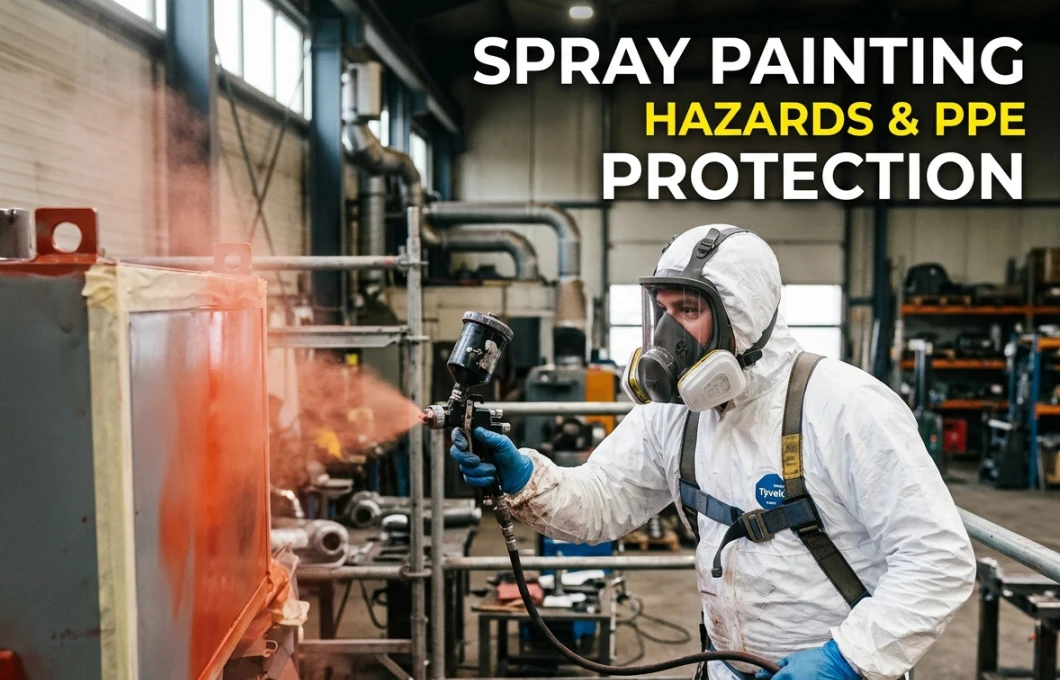
Spray painting can leave a smooth, even finish, but the work comes with risks that are easy to underestimate. Paint mist, solvent vapors, and airborne particles can affect workers during application, especially in poorly ventilated spaces. Understanding spray painting hazards and PPE requirements helps workers choose suitable protection before the job begins.
What Are the Main Hazards of Spray Painting?
The risks depend on the paint formulation, spraying method, and working environment. Some problems may appear quickly, while repeated exposure can cause longer-term health concerns.
- Paint fumes and vapors: Solvents in certain coatings can irritate the eyes and respiratory system. Breathing high concentrations may also cause dizziness, headaches, or nausea.
- Airborne paint mist: Fine droplets can enter the nose and lungs or settle on exposed skin and clothing.
- Skin and eye contact: Direct contact with paint and cleaning chemicals may cause irritation or dermatitis. Splashes can also injure the eyes.
- Fire and explosion risks: Some solvent-based paints release flammable vapors. Sparks, open flames, and unsuitable electrical equipment can create serious hazards.
The type of coating matters. Workers should check the product label and Safety Data Sheet (SDS) rather than assume every paint presents the same level of risk.
How to Protect Yourself from Spray Painting Fumes
Good ventilation and suitable respiratory protection are essential when working with airborne paint contaminants. Opening a door or window may not provide enough airflow, particularly in enclosed workshops or spray booths.
A properly designed ventilation system should capture contaminants near their source and move them away from the worker. Where respiratory protection is required, the respirator must match the chemicals and particles involved.
The best respirator for spray painting depends on the coating being used. Organic vapor cartridges may be needed for certain solvent vapors, while suitable particulate filters help capture paint mist. Some jobs require combined protection, and particular coatings may require supplied-air respiratory equipment.
Workers should never choose a respirator based on appearance alone. Check the SDS, follow workplace respiratory protection procedures, and make sure the equipment fits correctly. A cartridge that works for one coating may not be suitable for another.
Essential Spray Painting PPE
Appropriate spray painting PPE helps reduce contact with paint mist, chemical splashes, and contaminated surfaces. The exact combination depends on the coating, application method, and exposure assessment.
Disposable Spray Painting Coveralls
Disposable coveralls help keep paint residue off the skin and regular work clothes. They are useful for jobs involving overspray, particularly when workers need to change out of contaminated clothing after finishing a task.
The material should be selected according to the paint and solvent involved. Lightweight nonwoven coveralls may suit some lower-exposure tasks, but ordinary disposable coveralls should not be assumed to provide chemical protection against every coating. Check the manufacturer’s chemical resistance information before use.
Chemical-Resistant Gloves
Gloves reduce direct contact with wet paint, solvents, and cleaning products. The right material depends on the specific chemical formulation, so consult the SDS and glove manufacturer’s compatibility guidance.
Replace damaged or heavily contaminated gloves as required, and avoid touching clean tools or surfaces with contaminated hands.
Safety Goggles and Face Protection
Protective eyewear helps prevent paint droplets and splashes from reaching the eyes. Goggles may be appropriate where airborne mist or splashing creates an exposure risk. A face shield can provide additional splash protection, but it does not replace suitable goggles when eye protection is necessary.
Respiratory Protection
A suitable respirator helps reduce inhalation exposure when engineering controls alone are insufficient. Its filter or cartridge must match the airborne hazard, and the equipment should be maintained and replaced according to the manufacturer’s instructions and workplace procedures.
Spray Painting Safety: Practical Measures at Work
Safe spraying starts before the trigger is pulled. Read the SDS, identify the coating’s hazards, and check that the ventilation system and protective equipment are suitable for the task.
Keep ignition sources away from areas where flammable vapors may accumulate. Use equipment appropriate for the hazardous environment, and follow established procedures for storing and handling paints and solvents.
After spraying, remove contaminated PPE carefully to avoid transferring paint residue to the skin or clean clothing. Dispose of single-use items according to the applicable waste-handling requirements, and clean reusable equipment as directed by the manufacturer.
Spray painting hazards vary from one job to another. Choosing suitable PPE, controlling airborne contaminants, and following the coating manufacturer’s instructions give workers a more practical way to manage those risks.
FAQ
1. What are the main hazards of spray painting?
The main hazards include paint fumes, airborne paint mist, skin and eye contact with chemicals, and fire risks from flammable solvents. The level of risk depends on the coating and working environment.
2. What PPE is needed for spray painting?
Typical spray painting PPE includes a suitable respirator, protective coveralls, chemical-resistant gloves, and safety goggles. The exact equipment should match the coating’s hazards and the results of a workplace risk assessment.
3. How can you protect yourself from spray painting fumes?
Use effective ventilation, follow the paint manufacturer’s safety instructions, and wear suitable respiratory protection when required. Check the Safety Data Sheet (SDS) to identify the chemicals involved and select appropriate equipment.
4. What is the best respirator for spray painting?
The best respirator depends on the paint formulation and airborne contaminants. Some jobs require organic vapor cartridges, particulate filters, or a combination of both. Certain coatings may require supplied-air respiratory protection.
5. Are disposable coveralls suitable for spray painting?
Disposable coveralls can help protect skin and regular clothing from paint mist and overspray. However, their suitability depends on the coating and chemical exposure. Check the garment manufacturer’s specifications before use.
6. What gloves should you wear when spray painting?
Choose chemical-resistant gloves that are compatible with the paint, solvents, and cleaning agents being used. Consult the SDS and glove manufacturer’s chemical resistance guidance before selecting a material.
7. Why is ventilation important during spray painting?
Ventilation helps remove airborne paint mist and hazardous vapors from the work area. Properly designed extraction can reduce worker exposure and help control the accumulation of flammable vapors.
8. How should you dispose of PPE after spray painting?
Remove contaminated PPE carefully to avoid transferring paint residue to your skin or clean clothing. Dispose of single-use coveralls, gloves, and filters according to the chemical manufacturer’s instructions and applicable waste regulations.