

PPE for Garbage Collection: What to Wear

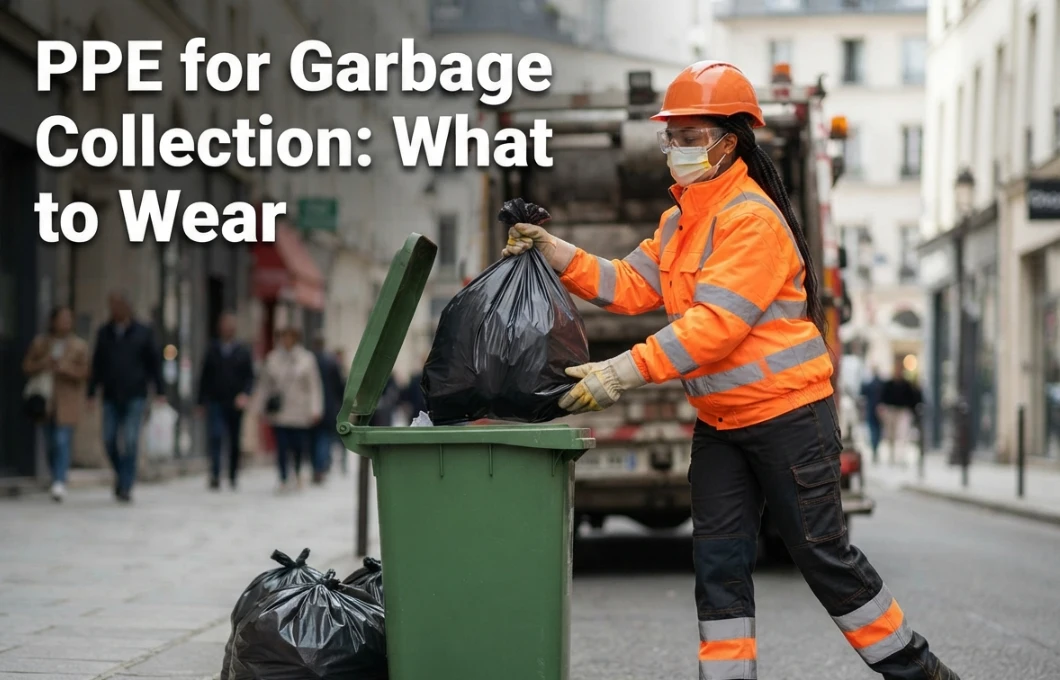
Garbage collection involves more than lifting bags and emptying bins. Workers may encounter broken glass, sharp metal, leaking containers, contaminated waste, dust, traffic, and unpredictable weather during a single shift. The right personal protective equipment (PPE) helps reduce these risks and makes daily work safer.
There is no single PPE combination for every waste collection job. Equipment should match the waste being handled, the working environment, and the hazards workers are likely to encounter.
What PPE Do Garbage Collectors Need?
Garbage collectors generally need protective gloves, safety footwear, high-visibility clothing, respiratory protection when required, eye protection, and hearing protection in noisy environments. Outdoor workers may also need sun protection and insect repellent.
| PPE | Main purpose |
|---|---|
| Protective gloves | Reduce cuts, punctures, and contact with contaminated materials |
| Safety shoes or boots | Protect feet from impact, sharp objects, and slippery surfaces |
| High-visibility clothing | Make workers easier to see around traffic and machinery |
| Respiratory protection | Reduce exposure to airborne particles when required |
| Eye and face protection | Protect against dust, debris, and splashes |
| Hearing protection | Reduce exposure to excessive workplace noise |
| Sun and insect protection | Help protect workers during outdoor shifts |
1. Protective Gloves: Keep Hands Away from Sharp and Contaminated Waste
Hands are often the most exposed part of a garbage collector’s body. Broken bottles, metal edges, sharp plastic, and leaking waste can cause injuries during handling.
Gloves should provide a suitable balance of durability, grip, and flexibility. The material depends on the task. Nitrile, latex, and vinyl gloves may be suitable for certain contact or contamination risks, but they are not interchangeable when dealing with sharp objects or heavy waste.
For jobs involving puncture or cut hazards, workers need gloves specifically designed and rated for those risks. Disposable gloves alone may not provide enough mechanical protection.
Gloves should fit securely without restricting movement. Replace them when torn, damaged, or contaminated, and avoid handling clean equipment with dirty gloves.
Explore hand protection products
2. Safety Shoes or Boots: Protect Against Injuries Underfoot
Waste collection workers frequently walk across uneven ground, wet pavement, loading areas, and surfaces where sharp objects may be hidden. Heavy bins or waste containers can also fall onto the feet.
Safety footwear should be selected according to the site hazards. Protective toe caps can help reduce impact and compression injuries, while puncture-resistant soles offer added protection against sharp objects underfoot. Slip-resistant outsoles are useful on wet or greasy surfaces.
Water-resistant or waterproof boots may be preferable when workers regularly handle wet waste or work in rainy conditions.
The footwear should remain comfortable throughout a long shift. A poor fit can make walking, climbing, and operating equipment more difficult.
Explore foot protection products
3. High-Visibility Clothing: Make Workers Easier to See
Garbage collection often takes place along roads, residential streets, parking areas, and busy loading zones. Workers may move in and out of the path of vehicles, particularly during early morning or evening shifts.
High-visibility vests, jackets, trousers, or coveralls help drivers and equipment operators recognize workers from a greater distance. Reflective details are especially useful when light is limited.
The clothing should remain visible under the conditions in which it will be worn. A vest covered by another garment, heavily soiled fabric, or damaged reflective material may reduce its effectiveness.
Workers should also choose clothing that allows them to bend, lift, and move freely without loose fabric getting caught in equipment.
4. Respiratory Protection: Reduce Exposure to Dust and Airborne Particles
Waste collection can expose workers to dust, debris, unpleasant odors, and airborne particles released when bags are moved or containers are emptied. Some tasks may also involve fumes or other airborne contaminants.
Respiratory protection should be selected according to the specific exposure. A dust mask or particulate respirator may help reduce inhalation of certain particles, but it does not protect against every gas, vapor, or chemical hazard.
Workers should use a respirator appropriate for the hazard, ensure it fits correctly, and follow the required replacement and maintenance instructions. If the exposure is unknown, the employer should assess the hazard before selecting respiratory protection.
5. Eye and Face Protection: Guard Against Splashes and Flying Debris
Waste can contain loose fragments, dust, liquids, and sharp materials that may reach the eyes or face during collection and handling.
Safety goggles can provide protection against certain particles and splashes. Face shields offer additional face coverage, particularly when a task creates a risk of flying debris or liquid splashes. A face shield may need to be worn together with suitable eye protection rather than used as a replacement.
The equipment should fit comfortably and maintain clear visibility. Scratched lenses, fogging, or poor fit can interfere with the work and may lead workers to remove their protection.
6. Hearing Protection: Reduce Noise from Trucks and Equipment
Garbage trucks, compactors, and other machinery can produce considerable noise. Workers who spend extended periods around loud equipment may need hearing protection.
Earplugs or earmuffs can help reduce noise exposure when selected and worn correctly. The level of protection should reflect the noise conditions at the workplace.
Hearing protection should not prevent workers from noticing important warning signals, vehicle movements, or communication from colleagues. Noise control and safe operating procedures remain important alongside PPE.
7. Sun and Insect Protection for Outdoor Work
Many waste collection workers spend most of their shift outdoors. Prolonged exposure to sunlight, heat, and insects can make the work uncomfortable and increase health risks.
Sunscreen, protective clothing, and insect repellent can help reduce exposure. Workers should follow the product instructions, particularly when applying sunscreen and repellent together.
Weather-appropriate clothing, access to drinking water, and rest breaks are also important considerations for outdoor crews.
How to Choose PPE for Garbage Collection
The equipment a worker needs depends on the collection route and the type of waste handled. Household waste collection, commercial waste handling, recycling, and work around waste-processing equipment may involve different hazards.
When selecting PPE, consider:
- Waste type: General household waste, recyclable materials, wet waste, and hazardous waste may require different protection.
- Sharp-object risks: Gloves and footwear should provide protection appropriate to the possibility of cuts and punctures.
- Traffic exposure: High-visibility clothing is particularly important around moving vehicles.
- Dust and airborne exposure: Select respiratory protection based on the actual hazard rather than odor alone.
- Weather conditions: Clothing and footwear should suit rain, heat, cold, and outdoor working conditions.
- Comfort and fit: PPE that restricts movement or causes discomfort may be less likely to be worn correctly.
PPE should be inspected before use. Damaged gloves, worn soles, torn clothing, broken straps, or scratched protective lenses should be replaced when they can no longer provide suitable protection.
Frequently Asked Questions
What is the most important PPE for garbage collectors?
Protective gloves, safety footwear, and high-visibility clothing are common essentials for many garbage collection tasks. Additional equipment, such as respirators, eye protection, or hearing protection, should be selected according to the hazards present.
Do garbage collectors need disposable coveralls?
Not every garbage collection job requires disposable coveralls. They may be useful when workers need an additional clothing barrier against dirt, splashes, or certain types of contamination. The material and protection level should match the exposure, and disposable garments should not be treated as protection against every hazard.
What type of gloves should garbage collectors wear?
The glove type depends on the work. Disposable nitrile gloves may be appropriate for certain contamination risks, while tasks involving sharp waste require gloves with suitable cut or puncture resistance. One glove type cannot address every hazard.
Why do garbage collectors wear reflective clothing?
High-visibility clothing helps workers stand out near roads, moving vehicles, and machinery. Reflective elements can improve visibility in low-light conditions, helping reduce the risk of vehicle-related accidents.
How often should garbage collection PPE be replaced?
Replacement depends on the type of equipment, its condition, contamination, and manufacturer instructions. PPE should be inspected before use and replaced if damaged, worn, contaminated beyond safe reuse, or no longer fits properly.
Protect Workers with the Right Equipment
Garbage collection PPE should be chosen around the hazards workers face every day, not simply around a standard uniform list. Gloves, footwear, high-visibility clothing, and task-specific protective equipment can help reduce preventable injuries and exposure.
Employers should provide appropriate equipment, explain how to use it, and ensure workers know when it needs to be replaced. A practical PPE program starts with identifying workplace hazards and matching each risk with suitable protection.