

Why Wear a Spray Paint Suit?

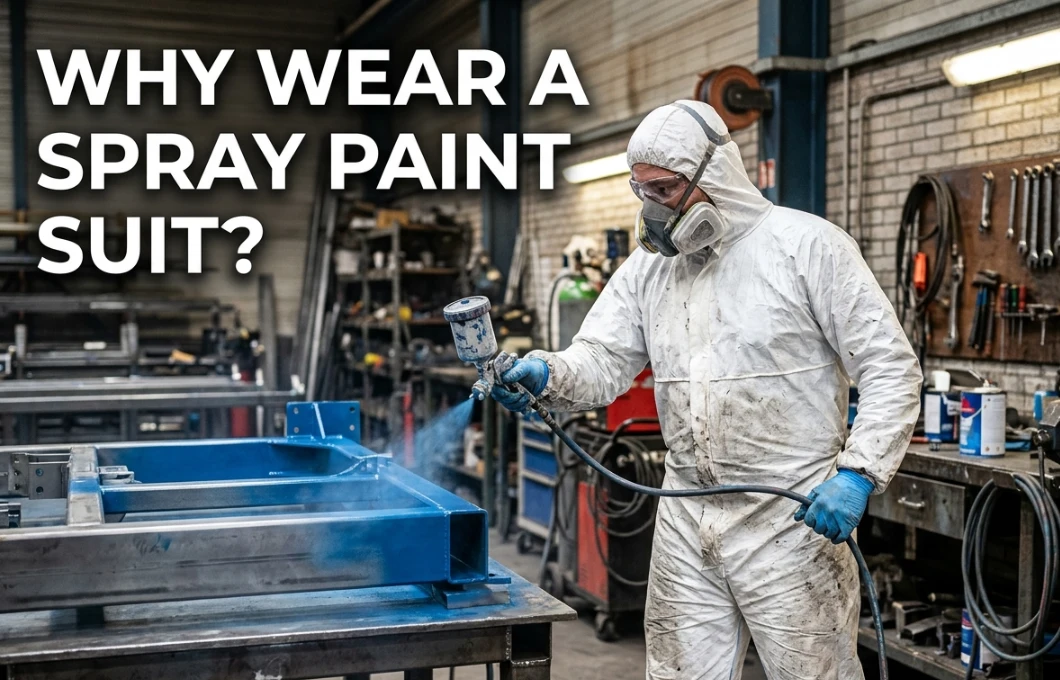
Spray painting can leave more behind than a fresh coat of paint. Fine droplets travel through the air, settle on nearby surfaces, and land on the worker’s skin, hair, and clothing. Anyone who has finished a painting job only to discover paint stains on their sleeves or shoes knows how difficult the cleanup can be.
There is also a more serious concern. Depending on the paint, coating, and application method, spray painting may expose workers to airborne particles, chemical vapors, and substances that can irritate the skin.
A spray paint suit provides a protective layer between the worker and paint overspray. It helps keep personal clothing clean and reduces direct contact between the skin and workplace contaminants. For professional painters, automotive refinishing teams, and industrial coating workers, choosing suitable protective clothing is part of preparing for the job.
But what does a spray paint suit actually protect against? And how do you choose one that fits your working conditions?
What Is a Spray Paint Suit?
A spray paint suit is a type of protective coverall designed to cover most of the body during painting and coating work. It usually comes with a full-length zipper and may include an attached hood, elastic cuffs, and ankle closures.
These features help reduce the amount of paint mist and dust that reaches ordinary clothing and exposed skin.
Most disposable spray paint coveralls use lightweight nonwoven materials. Depending on their construction, options may include polypropylene (PP), microporous materials, or other coated protective fabrics.
Not every coverall offers the same level of protection. A basic disposable suit may be suitable for keeping paint off clothing during light-duty work, while more demanding applications may require specialized chemical protective clothing.
The right choice depends on the coating materials, exposure conditions, and the manufacturer’s tested protection specifications.
Why Wear a Spray Paint Suit?
1. Reduce Direct Skin Contact with Paint and Chemicals
Paint products can contain solvents, pigments, resins, and other chemical ingredients. Depending on the formulation, direct skin contact may cause irritation or other adverse effects.
During spray painting, small droplets can settle on exposed skin and clothing, particularly around the arms, chest, legs, and neck.
Wearing a spray paint suit creates an additional barrier between the worker and these contaminants. A full-body design also helps cover areas that ordinary work clothes may leave exposed.
However, a standard disposable coverall should not be treated as chemical-proof. Its actual protection depends on the fabric, seams, chemical compatibility, and exposure conditions.
For work involving hazardous coatings or solvents, check the product’s chemical resistance information and the relevant Safety Data Sheet (SDS) before selecting protective clothing.
2. Keep Paint Overspray Away from Personal Clothing
Anyone working with a spray gun knows that overspray rarely stays exactly where it is intended.
Fine paint droplets can settle on sleeves, trousers, shoes, and other nearby surfaces. Even when the worker maintains a reasonable distance from the painted object, airborne paint mist can still reach surrounding areas.
A disposable spray paint suit helps prevent this residue from collecting on everyday clothing.
This is particularly useful in:
- Automotive body shops and vehicle refinishing facilities.
- Furniture painting and wood coating workshops.
- Industrial manufacturing and metal finishing.
- Home renovation and interior painting projects.
After the job, workers can remove the coverall according to workplace procedures instead of spending time trying to clean paint from ordinary clothes.
3. Reduce the Spread of Paint Residue Between Work Areas
Paint contamination does not necessarily disappear when the spray gun is switched off.
Residue can remain on protective clothing and may be transferred to vehicles, tools, break rooms, or other clean areas.
A disposable paint suit provides a practical way to manage this contamination. Workers can remove the garment before entering areas where paint residue should not be carried.
For workshops handling different coatings or working across multiple production areas, this helps maintain cleaner workspaces and more consistent housekeeping practices.
Proper removal and disposal still matter. Contaminated protective clothing should be handled according to the coating manufacturer’s instructions and applicable waste regulations.
4. Support Workplace Safety and PPE Procedures
In professional painting environments, protective clothing is generally selected as part of a broader workplace safety program.
Employers need to assess the materials being sprayed, the exposure route, the working environment, and the level of protection required.
A spray paint suit may be one part of that arrangement, alongside suitable gloves, eye protection, and respiratory equipment.
For example, a worker handling solvent-based coatings may need a different combination of protective equipment from someone applying a low-hazard water-based paint.
OSHA requirements in the United States address workplace PPE and respiratory protection. However, wearing a disposable coverall alone does not automatically make a painting operation compliant.
The garment must be appropriate for the identified hazards, and workers need to follow the applicable workplace procedures.
5. Save Time on Cleaning and Garment Maintenance
Reusable workwear can be practical for regular painting operations, but paint residue often makes cleaning difficult.
Some coatings require specific cleaning procedures, and repeated washing may affect garment condition.
Disposable spray paint coveralls offer a simpler option for short-term jobs or tasks where contamination is expected. Workers can use a fresh garment when needed rather than cleaning heavily stained workwear after every task.
For businesses managing multiple painting teams, disposable clothing can also make it easier to organize protective equipment by job or work area.
The overall cost should still be considered. Purchase price, replacement frequency, waste disposal, and the required protection level all influence the best option.
6. Provide Coverage During Other Dusty or Messy Tasks
Although spray paint suits are commonly associated with painting, similar protective coveralls are used in other work environments.
Depending on the material and its tested performance, protective coveralls may be suitable for:
- Sanding and surface preparation: Help keep dust and debris away from ordinary clothing.
- Furniture refinishing: Reduce contact with paint, stains, and coating residues.
- Construction and renovation: Protect clothing from dirt and certain non-hazardous particles.
- Industrial maintenance: Provide a disposable outer layer for selected maintenance tasks.
- Cleaning operations: Help reduce contact with workplace contaminants when the garment is suitable for the cleaning chemicals involved.
The same suit should not automatically be used for every task. Dust protection, liquid splash protection, and chemical protection are different requirements.
How to Choose the Best Suit for Spray Painting
Finding the best suit for spray painting involves more than choosing a size or comparing prices. The garment needs to match the actual work being performed.
Here are the main factors to consider.
1. Choose the Right Material
The material determines how the coverall feels, how much airflow it allows, and what types of contaminants it can help resist.
Common options include:
| Material | General Characteristics | Typical Considerations |
|---|---|---|
| Polypropylene (PP) | Lightweight and economical | Suitable for basic clothing protection and selected low-risk tasks |
| Microporous fabric | Designed with a breathable structure and protective barrier properties | Consider for applications requiring a balance of comfort and liquid splash resistance |
| SMS fabric | Combines spunbond and meltblown layers | Offers a balance of strength, breathability, and particle barrier properties |
These materials are not interchangeable in every application. Their performance depends on fabric construction, coating, seam design, and testing results.
For spray painting involving solvents or aggressive chemicals, verify the manufacturer’s chemical compatibility data rather than relying on the material name alone.
2. Check the Required Protection Level
Some painting operations involve relatively low exposure, while others may involve hazardous liquid chemicals or fine airborne particles.
Where applicable, look for protective clothing tested against relevant standards.
For example:
- EN ISO 13688: General requirements for protective clothing.
- EN 13034, Type 6: Limited protection against liquid chemical splashes under specified test conditions.
- EN ISO 13982-1, Type 5: Protection against airborne solid particles under specified conditions.
These classifications describe particular protective performance. They do not mean that a garment protects against every paint, solvent, or chemical.
Always check the product’s declaration of conformity, test documentation, and instructions for use.
3. Make Sure the Suit Fits Properly
A coverall should provide enough room for comfortable movement without leaving unnecessary gaps.
Pay attention to:
- Hood: Helps cover the head and hair when the design includes one.
- Elastic cuffs: Help reduce openings around the wrists.
- Ankle closures: Help keep trouser legs in position.
- Front zipper: Makes putting on and removing the garment easier.
- Overall fit: Allows workers to bend, reach, and move without excessive tension on the fabric or seams.
A poorly fitted suit may expose areas that should remain covered. Workers should also check the garment for damage before use.
4. Consider Disposable or Reusable Coveralls
The choice depends on how frequently the garment will be used and how easily it can be cleaned.
Disposable spray paint coveralls are convenient for occasional projects, short jobs, and applications where paint contamination makes reuse impractical.
Reusable coveralls may be more economical for frequent work, provided their material remains suitable after cleaning and inspection.
For workplaces handling hazardous coatings, follow the manufacturer’s instructions for decontamination, reuse, and disposal.
Does a Spray Paint Suit Replace a Respirator?
No. This is an important distinction.
A spray paint suit protects the body and clothing from certain forms of surface contamination. It does not filter the air a worker breathes.
Spray painting can produce airborne particles and chemical vapors. The appropriate respiratory protection depends on the coating formulation, the exposure assessment, ventilation, and applicable workplace requirements.
Workers may need a properly selected and fitted respirator in addition to protective coveralls. Eye protection and chemical-resistant gloves may also be necessary.
Before starting work, check the paint or coating SDS and follow the respiratory protection procedures established for the workplace.
A full-body coverall and a suitable respirator serve different purposes. Neither should be considered a substitute for the other.
Disposable Spray Paint Coveralls vs. Reusable Paint Suits
Both options have a place in painting operations. The practical difference comes down to usage frequency, contamination, maintenance, and protection requirements.
| Comparison | Disposable Coveralls | Reusable Paint Suits |
|---|---|---|
| Usage | Usually single-use | Designed for repeated use |
| Cleaning | Generally not intended for washing | Requires appropriate cleaning |
| Initial Cost | Usually lower | Usually higher |
| Maintenance | Minimal | Requires inspection and maintenance |
| Waste | More frequent garment disposal | Less frequent garment replacement |
| Best Application | Short jobs and selected contamination-prone tasks | Regular use where cleaning and reuse are suitable |
For businesses purchasing protective clothing in bulk, disposable coveralls can simplify inventory management and replacement planning.
However, the cheapest garment is not necessarily the most economical choice. The protection level must come first.
FAQ About Spray Paint Suits
Why should you wear a spray paint suit?
A spray paint suit helps protect skin and personal clothing from paint overspray and selected workplace contaminants. It also makes post-job cleanup easier.
What is the best suit for spray painting?
The best option depends on the paint formulation and exposure conditions. Lightweight PP coveralls may suit basic tasks, while microporous or specially tested chemical protective garments may be needed for more demanding applications.
Can I use a disposable coverall for automotive painting?
Yes, if the coverall is suitable for the specific painting operation. Automotive refinishing may involve solvents and other hazardous substances, so check chemical compatibility and the required protective performance before use.
Does a spray paint suit protect against paint fumes?
No. A protective coverall does not filter chemical vapors. Appropriate ventilation and separately selected respiratory protection are necessary when the exposure assessment identifies inhalation hazards.
Are microporous coveralls suitable for spray painting?
Microporous coveralls may be suitable for selected painting tasks, depending on their construction and test results. Check the manufacturer’s specifications for liquid penetration, seam performance, and chemical compatibility.
Should spray paint coveralls be reused?
Most disposable spray paint coveralls are intended for single use. If paint or chemical contamination occurs, follow the manufacturer’s instructions and workplace disposal procedures rather than washing and reusing the garment.
Choose Protective Clothing That Matches Your Work
A spray paint suit may look like a simple piece of workwear, but the right garment can make painting operations cleaner and easier to manage.
For contractors, automotive workshops, and industrial buyers, the decision should start with the actual exposure risks. Consider the material, garment construction, protection classification, fit, and intended usage before placing an order.
If you are sourcing disposable spray paint coveralls for your business, compare product specifications carefully and request relevant test documentation from your supplier.
The goal is straightforward: choose protective clothing that fits the job, supports workplace safety procedures, and gives workers the coverage they need.