
Blog
PPE for Mold Cleanup: Complete Guide

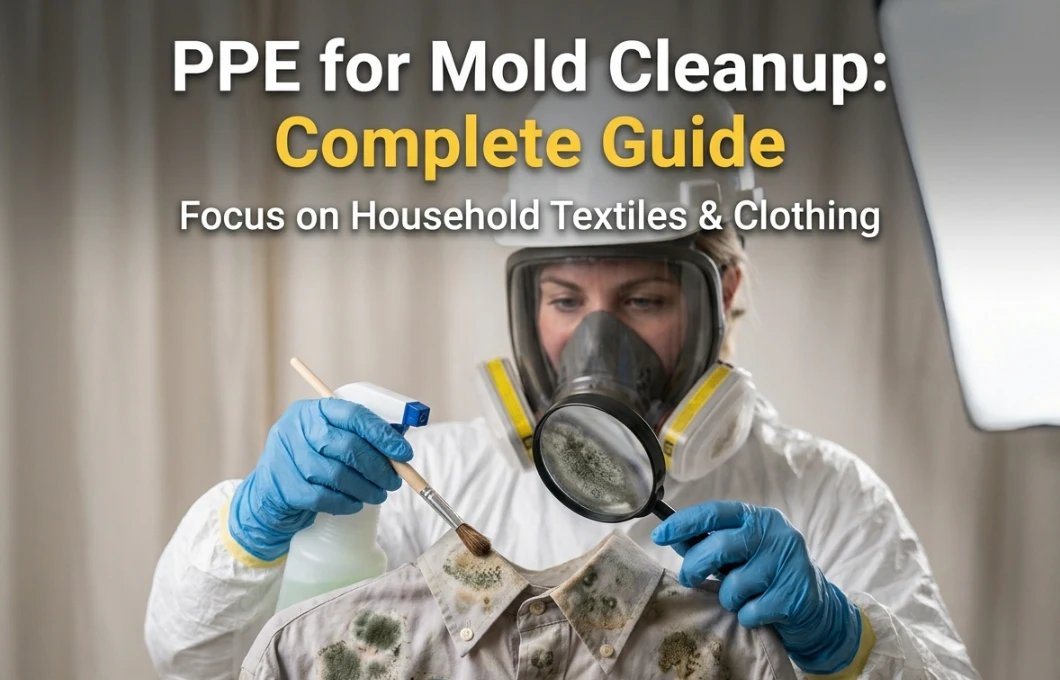
Mold can show up in places where moisture has been sitting for too long. It may appear on drywall, wood, insulation, ceilings, or other materials after a leak or flooding. Cleaning a small patch of visible mold might seem straightforward, but disturbing contaminated materials can release particles into the surrounding air.
That is why choosing the right PPE for mold cleanup matters. The equipment you need depends on the size of the affected area, the condition of the materials, and the type of work involved. A simple cleanup and a large-scale mold remediation project do not necessarily require the same level of protection.
What PPE for Mold Remediation Do You Need?
There is no single protective kit that fits every mold cleanup job. Respiratory protection, protective clothing, gloves, eye protection, and suitable footwear each serve a different purpose.
Before starting work, assess the affected area and consider whether professional mold remediation is necessary. Extensive contamination, hidden mold growth, contaminated ventilation systems, or moisture problems that cannot be resolved safely may require trained specialists.
1. Respirators: Protecting Your Breathing Zone
Mold spores and other airborne particles can become a concern when contaminated surfaces are disturbed. A suitable respirator helps reduce inhalation exposure, but the type selected should match the work environment and potential hazards.
An N95 filtering facepiece respirator is one option for reducing exposure to airborne particles. Depending on the task, a higher level of respiratory protection may be necessary. An N95 does not protect against gases or vapors, and it should not be treated as universal protection against every hazard associated with mold cleanup.
When selecting the best respirator for mold, consider more than the filter rating. The respirator must fit the wearer properly, and facial hair or gaps around the face seal can affect its performance. Workplace respiratory protection programs may also require medical evaluation, fit testing, and training.
For jobs involving chemical cleaners, solvents, or other airborne hazards, assess those risks separately rather than assuming a particle-filtering respirator is sufficient.
2. Disposable Coveralls: Keeping Contamination Off Clothing
Mold cleanup can involve crawling through affected spaces, handling damaged materials, or brushing against contaminated surfaces. Ordinary work clothes may pick up dust and debris that can then be carried into vehicles, offices, or other clean areas.
Disposable coveralls provide a practical barrier between the worker and contaminated materials. Depending on the task, options may include nonwoven polypropylene (PP) coveralls or garments made with microporous film laminate.
The choice should reflect the expected exposure. Lightweight PP coveralls may suit lower-exposure tasks where basic contamination control is appropriate. Film-laminated garments may offer a different level of barrier performance, depending on their construction and specifications.
When choosing mold removal protective clothing, check the garment’s intended use, coverage, closure design, and resistance to the substances involved. A disposable coverall is not automatically waterproof or suitable for every chemical hazard.
A well-fitting garment should cover the work clothing without restricting movement. Pay attention to the wrists, ankles, hood, and front closure, especially when working around loose debris.
3. Gloves: Protecting Hands During Cleanup
Hands often come into direct contact with contaminated surfaces, wet materials, tools, and cleaning products. Gloves help reduce that contact and make it easier to handle waste without transferring contamination to the skin.
Nitrile, latex, and rubber gloves are among the options used for different cleanup tasks. Nitrile gloves are commonly considered when disposable hand protection is needed, but the appropriate choice depends on the chemicals involved and the manufacturer’s compatibility guidance.
Check that gloves fit comfortably and cover the wrists. Replace disposable gloves if they tear, become heavily contaminated, or no longer provide an effective barrier.
Gloves should also be removed carefully. Touching the outside of a contaminated glove with bare hands can defeat much of the protection it provides.
4. Goggles: Preventing Eye Exposure
Airborne particles, splashes, and debris can irritate the eyes during mold removal. This becomes particularly relevant when scraping damaged surfaces, removing contaminated insulation, or using cleaning solutions.
Protective goggles provide eye coverage and can help reduce exposure to airborne particles and splashes. Choose a design appropriate for the task, and check that it fits securely without interfering with the respirator.
Ordinary glasses are not a substitute for protective goggles. A face shield may provide additional protection against splashes or flying debris, but it should not automatically replace suitable eye protection.
If the work involves chemical cleaning agents, follow the product label and safety data sheet when selecting eye protection.
5. Footwear and Shoe Covers: Limiting Contamination Spread
Footwear can collect mold-contaminated dust and debris, particularly when workers move between affected rooms and clean areas.
Depending on the site, washable work boots or disposable shoe covers may help limit the transfer of contamination. The right choice depends on the floor conditions, slip hazards, and the amount of debris present.
Shoe covers should fit securely and should not create a tripping or slipping hazard. They are not a substitute for protective boots where punctures, sharp debris, wet floors, or other physical hazards are present.
A designated route for removing contaminated equipment can also help prevent material from being carried into clean spaces.
How to Put On and Remove Mold Cleanup PPE
Even suitable equipment can provide less protection if it is worn incorrectly. A consistent routine helps reduce accidental contact with contaminated surfaces.
Before Entering the Work Area
Prepare the required PPE before disturbing the mold-affected materials.
- Inspect coveralls, gloves, goggles, and respiratory equipment for damage.
- Put on the protective clothing and secure the closures.
- Fit the respirator according to the manufacturer’s instructions.
- Check that the goggles provide adequate coverage and do not interfere with the respirator seal.
- Put on suitable gloves and footwear protection.
- Confirm that the work area, ventilation arrangements, and waste-handling plan are appropriate for the task.
If respiratory protection is required, follow the applicable workplace procedures rather than relying on a quick visual check alone.
While Cleaning
Avoid unnecessary movement between contaminated and clean areas. Keep tools, waste bags, and other supplies organized so that contaminated materials are not carried around the building.
Do not eat, drink, or touch your face while wearing contaminated gloves. If PPE becomes damaged or its protective function is compromised, stop and replace it as appropriate.
Protective equipment also has limits. It does not correct the underlying moisture problem, remove hidden mold by itself, or make an unsafe work area safe.
After the Work Is Finished
Removing PPE requires care because its outer surfaces may carry contaminated dust and debris.
Follow the site’s established decontamination and doffing procedure. Remove items in a way that minimizes contact between contaminated surfaces and bare skin or ordinary clothing. Dispose of single-use equipment according to applicable local requirements and the site’s waste-handling procedures.
Reusable goggles, boots, and other equipment should be cleaned and maintained according to their manufacturers’ instructions. Wash hands thoroughly after removing the equipment.
Choosing Mold Cleanup Safety Gear for Different Jobs
The amount and type of protection needed can vary considerably from one job to another. The following examples are starting points for assessing the task, not universal PPE prescriptions.
| Cleanup situation | Equipment to consider | Important consideration |
|---|---|---|
| Small, limited areas of visible mold | Suitable respirator, gloves, eye protection, and protective clothing | Confirm the area can be cleaned safely and the moisture source can be addressed |
| Removing contaminated drywall or insulation | Appropriate respiratory protection, coveralls, gloves, goggles, and suitable footwear | Disturbing materials may release additional airborne particles |
| Cleanup following significant water damage | Task-specific PPE and a site safety assessment | Hidden contamination, electrical hazards, and structural damage may require professional help |
| Work involving cleaning chemicals | PPE selected for both mold-related exposure and the chemicals used | Check chemical compatibility and safety data sheets |
| Large or complex remediation projects | A documented risk assessment and professionally selected PPE | Specialized containment and respiratory protection may be necessary |
There is no need to choose the heaviest or most expensive equipment for every job. The goal is to match protection to the actual hazards without overlooking risks that ordinary disposable clothing cannot control.
What to Look for When Buying Disposable Coveralls for Mold Cleanup
For contractors, restoration companies, and facility maintenance teams, purchasing disposable coveralls involves more than comparing prices.
Material and barrier performance: PP nonwoven coveralls can provide basic clothing coverage. Microporous film-laminated garments may offer additional barrier properties, depending on their construction. Neither material should be assumed to protect against all liquids, chemicals, or airborne hazards.
Coverage and fit: Consider whether the job calls for a hood, elastic cuffs, ankle closures, or a front zipper. The garment should allow normal movement while keeping the intended areas covered.
Breathability and comfort: Cleanup can involve physical work and extended periods in protective clothing. Consider the working environment, temperature, duration, and the balance between comfort and the required level of protection.
Product specifications: Review the manufacturer’s technical information, intended applications, available sizes, and any relevant test reports or certifications. Claims about barrier performance should be supported by documentation.
Supply and consistency: For organizations purchasing in volume, consistent specifications, reliable sizing, packaging, and repeat-order availability can matter as much as the unit price.
A disposable coverall is one part of the PPE system. Respiratory protection, gloves, eye protection, footwear, and safe work procedures need to be considered together.
Other Precautions That Matter During Mold Remediation
PPE should not be the only measure used to control exposure. Cleaning methods, moisture control, work-area management, and waste handling all influence how safely a job can be completed.
Identify and address the source of moisture before relying on surface cleaning alone. Otherwise, mold may return if the conditions that allowed it to grow remain unchanged.
Avoid dry brushing, uncontrolled scraping, or other methods that can unnecessarily spread contaminated particles. Work-area isolation and appropriate ventilation or containment measures may be needed, depending on the scale and location of the contamination.
Do not assume that household cleaning products are interchangeable. Follow the manufacturer’s directions, and never mix cleaning chemicals unless the product instructions explicitly permit it.
If contamination is extensive, the building has been affected by sewage or other hazardous materials, or workers experience significant respiratory symptoms, seek appropriate professional guidance.
Frequently Asked Questions
What PPE for mold remediation is generally needed?
Common equipment includes a suitable respirator, protective coveralls, gloves, eye protection, and appropriate footwear. The exact combination depends on the extent of contamination, the materials being removed, and any additional hazards.
What is the best respirator for mold cleanup?
An N95 respirator may be suitable for some tasks involving airborne particles. More demanding conditions may require a higher level of protection. Selection should account for the exposure assessment, fit, work procedures, and any chemical hazards present.
Are disposable coveralls enough for mold removal?
No. Coveralls help protect clothing and skin, but they do not replace respiratory protection, gloves, eye protection, or safe work practices. Their barrier properties must also match the task.
Is PP coverall material suitable for mold cleanup?
PP nonwoven coveralls may be suitable for tasks where basic protective clothing and contamination control are appropriate. More demanding jobs may call for garments with different barrier properties. Check the product specifications and the risks involved before selecting a material.
Should I use shoe covers or work boots?
Shoe covers may help limit contamination transfer in suitable conditions. Work boots may be necessary when the site presents slip, puncture, or impact hazards. The choice depends on the floor, debris, and work environment.
Can I reuse disposable coveralls after mold cleanup?
Disposable coveralls are generally intended for single use. Reusing contaminated garments can transfer debris to clean clothing or other areas. Follow the manufacturer’s instructions and the site’s disposal procedures.
Choosing PPE That Fits the Job
Safe mold cleanup starts with understanding what the work will expose you to. A limited surface cleanup, removal of damaged building materials, and large-scale remediation can call for very different precautions.
Choose respiratory protection based on the exposure, select protective clothing with suitable barrier properties, and use gloves, goggles, and footwear appropriate for the conditions. Combine that equipment with careful handling, proper waste management, and effective moisture control.
The aim is straightforward: reduce unnecessary exposure, limit the spread of contamination, and make sure the protective equipment is suited to the work being done.