
Blog
Painting Coveralls: A Guide to Paint and Coating PPE

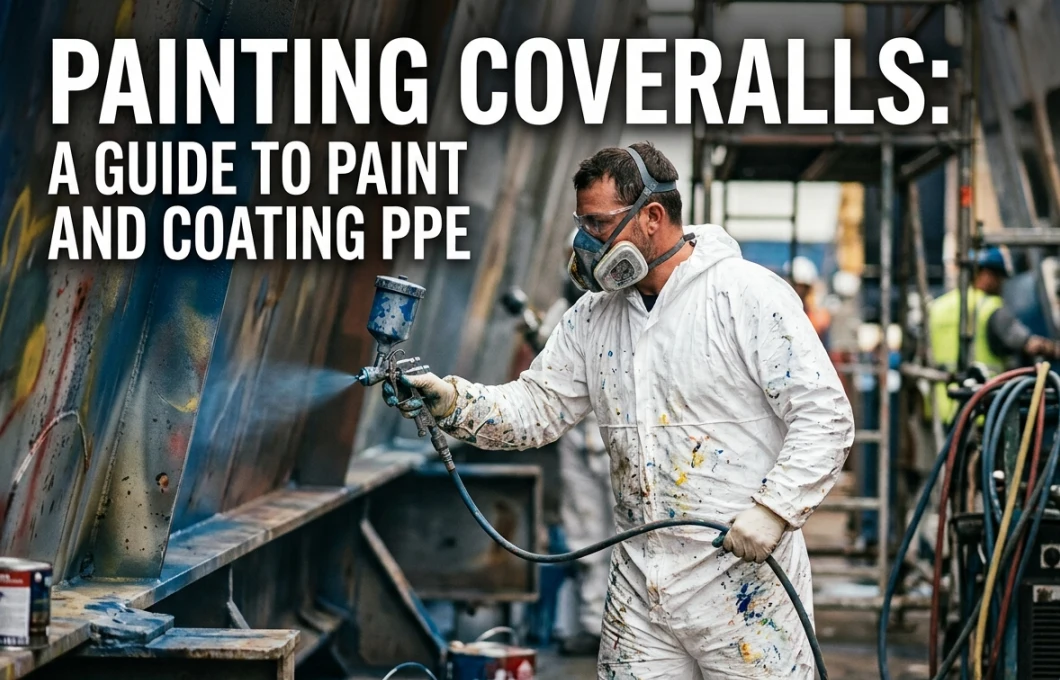
Painting work can leave more than stains on clothing. Depending on the coating, application method, and working environment, painters may encounter airborne paint particles, sanding dust, liquid splashes, and chemical vapors. The right protective clothing helps manage these exposures while keeping dust and fibers from ordinary workwear away from freshly painted surfaces.
Choosing painting coveralls is not simply a matter of finding a lightweight suit or the cheapest disposable option. Spray painting, brush application, industrial coating, and surface preparation create different working conditions. The garment must match the actual hazards, and it should work alongside other required personal protective equipment (PPE).
For industrial buyers, distributors, and painting contractors, understanding fabric construction, garment design, and protection standards makes it easier to select suitable disposable coveralls for painting without paying for features that the job does not require.
Why Do Painting and Coating Jobs Require Protective Coveralls?
Paint and coating operations involve two related concerns: protecting the worker and maintaining the quality of the finished surface.
During spray application, droplets and fine particles can settle on exposed clothing. Sanding and grinding produce dust that may contaminate prepared surfaces. In controlled painting environments, fibers, hair, and debris carried by ordinary workwear can also affect the finish.
Disposable coveralls provide a barrier between the wearer’s clothing and workplace contaminants. Depending on their design and verified performance, they can also help limit contact with certain particles and liquid splashes.
The actual level of protection varies by garment and exposure. Basic polypropylene coveralls should not be treated as equivalent to chemical protective clothing designed and tested for specific hazards.
Common Hazards in Painting Environments
- Paint overspray: Airborne droplets can settle on clothing and exposed skin during spraying.
- Sanding dust: Surface preparation can generate fine particles that contaminate work areas.
- Liquid splashes: Wet coatings and cleaning products may contact the garment during application or equipment maintenance.
- Chemical exposure: Certain paints, thinners, and solvents may present skin or inhalation hazards.
- Surface contamination: Lint, dust, and fibers released from clothing can affect the appearance of a finished coating.
These hazards require different controls. Coveralls can help manage contamination and some forms of contact exposure, but they do not replace ventilation, appropriate respiratory protection, eye protection, or a workplace hazard assessment.
Which Industries Commonly Use Painting Coveralls?
Painting coveralls are used in a range of environments where workers need disposable clothing or controlled contamination.
| Application | Main consideration | Selection priority |
|---|---|---|
| Automotive refinishing | Overspray and finish contamination | Low-lint construction and suitable barrier performance |
| Industrial equipment coating | Dust, paint droplets, and coating materials | Material compatibility and garment coverage |
| Furniture finishing | Fine dust and surface quality | Low-lint fabric and comfortable fit |
| Metal fabrication | Grinding dust and subsequent coating work | Particle protection suited to the task |
| Construction painting | Paint splashes and general dirt | Practical coverage and ease of movement |
| Controlled painting areas | Fibers and airborne contamination | Low-lint garments and suitable contamination controls |
The same garment will not necessarily suit every application. Buyers should consider the coating formulation, application method, exposure duration, and required protection level before choosing a model.
How Do SMS and Microporous Painting Coveralls Differ?
Fabric construction is one of the main factors affecting the suitability of disposable coveralls. SMS nonwoven fabric and microporous laminate are two options commonly considered for industrial protective clothing.
Their performance depends on the complete garment, including seams, closures, fit, and any additional treatments. Neither material name alone establishes suitability for a particular chemical.
SMS Nonwoven Coveralls
SMS stands for spunbond-meltblown-spunbond. The material combines spunbond layers with a meltblown layer in a three-layer structure.
The spunbond layers contribute to fabric strength, while the meltblown layer helps create a fine-fiber structure. Depending on its specification, SMS fabric can offer a balance of breathability, lightweight construction, and particle-barrier performance.
SMS coveralls may suit general painting preparation, dusty maintenance, and selected lower-exposure tasks. However, ordinary SMS garments should not automatically be considered suitable for direct exposure to wet paint, solvent splashes, or hazardous chemicals.
When evaluating SMS garments, buyers should check the tested performance of the finished product rather than relying on the fabric description alone.
Microporous Coveralls
Microporous coveralls typically use a film-laminated material. The construction is designed to combine a protective outer barrier with a degree of water-vapor transmission, although breathability varies by product.
Depending on the garment’s tested specifications, microporous materials may provide better resistance to certain liquid splashes than basic nonwoven fabrics. They can therefore be worth evaluating for selected spray painting and coating tasks.
That does not mean every microporous coverall resists every paint or solvent. Chemical compatibility, seam construction, and the applicable test results still matter.
Painting Coveralls Material Comparison
| Selection factor | SMS nonwoven | Microporous laminate |
|---|---|---|
| Fabric construction | Three-layer nonwoven structure | Film-laminated material |
| Typical consideration | Lightweight construction and breathability | Barrier performance and liquid resistance |
| Potential applications | General preparation and selected low-exposure tasks | Selected coating and spray applications |
| Liquid resistance | Depends on garment specification | Depends on laminate and garment testing |
| Comfort | Often suitable for tasks requiring airflow | Varies with film construction and design |
| Chemical suitability | Must be verified for the exposure | Must be verified for the specific chemical |
| Main purchasing check | Fabric specification and garment performance | Barrier test results, seam design, and chemical compatibility |
The best material depends on the job, not simply on which fabric sounds more advanced. A breathable garment may be more comfortable during extended work, while a stronger barrier may be necessary when the assessed exposure requires it.
What Features Matter When Choosing the Best Coveralls for Painting?
Fabric is only part of the decision. A garment with suitable material can still leave gaps if the fit is poor or the closure design does not match the application.
For procurement teams, it helps to evaluate the entire garment rather than comparing material descriptions alone.
Hood, Cuffs, and Ankle Closures
An attached hood helps cover the head and hair, reducing the transfer of loose particles to the work area. Elasticated wrists and ankles can help the garment fit more closely around gloves and footwear.
These features improve coverage but do not create a fully sealed protective system by themselves. Buyers should check whether the garment is compatible with the other PPE worn by workers.
Zippers and Protective Flaps
The front zipper is a potential entry point for dust and liquid contaminants. Some designs use a flap over the zipper to provide additional coverage.
For painting tasks, inspect the closure design and the garment’s relevant test information. A protective flap alone does not establish a specific protection classification.
Low-Lint Construction
Lint can be a concern in automotive refinishing, furniture finishing, and other applications where surface appearance matters.
Low-lint garments can help reduce contamination from clothing fibers. However, the garment should be evaluated as part of the overall contamination-control process, including cleaning procedures and workplace conditions.
Fit, Mobility, and Comfort
Painters often bend, reach, climb, and work with their arms raised. Coveralls should allow these movements without excessive pulling at the seams or restricting access to tools.
When comparing products, check:
- Available sizes and the intended fit.
- Freedom of movement around the shoulders, knees, and waist.
- Compatibility with gloves, footwear, and respiratory equipment.
- Fabric weight and comfort during the expected working period.
- Closure durability and the condition of seams.
A garment that fits poorly may tear more easily or leave areas inadequately covered. Comfort also matters because workers must be able to wear the required PPE correctly throughout the task.
Antistatic Properties
Certain coating environments may require antistatic protective clothing because of flammable atmospheres or electrostatic discharge concerns.
An antistatic claim should be supported by the relevant test standard and garment specification. Buyers should also confirm whether the complete outfit, footwear, grounding arrangements, and work procedures meet the site’s requirements.
Antistatic treatment does not, by itself, make a garment suitable for every flammable or explosive environment.
How Should You Select Paint Spraying Protection for Different Tasks?
Spray painting and brush painting differ in how coatings reach the worker. Surface preparation creates another set of exposure conditions.
A practical selection process begins with the task and its hazards, then checks the garment against those requirements.
Spray Painting
Spray application can generate airborne droplets and fine particles. Depending on the paint and spraying method, workers may also face exposure to hazardous solvents or other chemical components.
When evaluating disposable coveralls for painting, consider:
- The type of coating and its safety data sheet.
- The spray method and potential for direct contact.
- The required particle and liquid-splash protection.
- The compatibility of the garment with gloves, eye protection, and respiratory PPE.
- Whether the garment has been tested for the intended application.
Microporous coveralls may be one option to evaluate when the required barrier performance matches the garment’s tested specifications. Do not assume that a disposable coverall provides adequate protection against solvent vapor or every spray formulation.
Brush and Roller Painting
Brush and roller applications generally produce a different exposure pattern from spraying. Depending on the task, workers may mainly need protection from drips, splashes, and contact with painted surfaces.
Lightweight SMS coveralls may be suitable for some lower-exposure activities, provided the garment’s performance matches the assessed risks. More demanding coatings may require a different protective material or garment classification.
Sanding and Surface Preparation
Sanding, grinding, and cleaning before painting can produce dust and debris. In these situations, particle protection, garment coverage, and resistance to tearing may be important selection factors.
Coveralls should be chosen according to the type of dust and the applicable exposure controls. Where hazardous particles are present, employers must determine the required protection level rather than relying on the term “disposable coveralls.”
A Practical PPE Selection Workflow
Use the following process when selecting painting coveralls for a workplace or bulk purchasing program.
- Identify the hazards. Review the paint, coating, thinner, cleaning agent, and surface-preparation materials involved.
- Check the exposure conditions. Determine whether the task involves dry particles, liquid splashes, spraying, or direct chemical contact.
- Define the protection requirements. Consult the safety data sheets, applicable workplace regulations, and relevant PPE standards.
- Compare garment specifications. Review fabric construction, seams, closures, fit, and documented test results.
- Check compatibility with other PPE. Confirm that the coveralls work with the required gloves, respiratory protection, eye protection, and footwear.
- Inspect and review use procedures. Establish garment inspection, replacement, removal, and disposal procedures appropriate to the exposure.
This approach helps purchasing teams compare products on relevant performance criteria instead of choosing solely by price, fabric weight, or appearance.
What Does a Coating PPE Guide Need to Consider About Standards?
Protective clothing standards help buyers understand what a garment has been tested to do. They should be checked against the intended task and the applicable market requirements.
For example, EN ISO 13982-1 addresses protective clothing for certain airborne solid particulate hazards, commonly associated with Type 5 protective clothing. EN 13034 addresses protective clothing against limited liquid chemical splashes, commonly associated with Type 6 protection.
These classifications have defined scopes. They do not mean a garment is suitable for every paint, solvent, or chemical exposure.
When reviewing a supplier’s documentation, buyers should confirm:
- The exact model covered by the documentation.
- The applicable standard and edition.
- The garment’s protection classification.
- Whether the relevant seams and garment components are included in the assessment.
- Any stated limitations on use, maintenance, or storage.
- Whether additional requirements apply to the target market.
A CE marking or a general statement that a garment is certified should not replace a review of the underlying documentation. Requirements vary by product classification, intended use, and destination market.
For hazardous coatings, the selection process should also address respiratory protection. Paint vapors and certain aerosol exposures may require controls that coveralls cannot provide.
Choosing a Supplier for Disposable Coveralls for Painting
For distributors, industrial purchasers, and businesses managing recurring PPE demand, product suitability is only one part of the buying decision. Consistent specifications and clear documentation are also important.
Before placing a bulk order, request information that allows your team to compare the offered garment with the requirements identified in the workplace risk assessment.
A practical purchasing checklist includes:
- Material: Confirm whether the garment uses SMS, microporous laminate, or another construction.
- Size range: Check whether the available sizes meet the needs of the intended workforce.
- Garment design: Confirm hood options, cuffs, zipper flaps, and other required features.
- Testing and documentation: Request relevant standards, test reports, and applicable conformity documents.
- Customization: Confirm available colors, packaging formats, labeling, and other agreed specifications.
- Quality consistency: Ask how incoming materials, finished garments, and order specifications are checked.
- Supply planning: Confirm minimum order quantities, production arrangements, and delivery expectations before committing to an order.
For repeat orders, retaining an approved specification and reference sample can help purchasing teams check whether subsequent deliveries match the agreed product.
A supplier’s ability to explain material limitations is also useful. Clear technical information helps buyers avoid selecting a garment for an exposure that it was never designed or tested to handle.
For a broader range of disposable protective garments, explore Ruichen PPE’s Protective Clothing category. Review the available product specifications and confirm suitability for your intended painting or coating application before ordering.
Conclusion
Choosing painting coveralls starts with understanding the work being performed. Spray painting, brush application, sanding, and industrial coating can involve different combinations of particles, splashes, and chemical hazards.
SMS nonwoven and microporous garments offer different material characteristics, but neither should be selected by fabric name alone. Fit, seams, closures, documented performance, and compatibility with other PPE all influence whether a garment suits the task.
For industrial purchasers and PPE distributors, the most useful approach is to define the exposure requirements first, compare verified garment specifications, and confirm the relevant documentation before placing an order. This helps support more consistent purchasing decisions while keeping worker protection and finished-product quality in view.
FAQ
What are painting coveralls used for?
Painting coveralls are protective garments worn during painting, coating, and related preparation work. Depending on their construction and tested performance, they can help protect clothing and reduce exposure to certain particles or liquid splashes.
Which disposable coveralls are suitable for spray painting?
The appropriate garment depends on the coating, spray method, and exposure assessment. Microporous coveralls may be suitable for some applications when their tested barrier performance matches the identified hazards. Respiratory and other required PPE must be selected separately.
Are SMS coveralls suitable for painting?
SMS coveralls may suit general preparation, dusty work, and selected lower-exposure painting tasks. Their suitability for wet coatings or chemical contact must be confirmed using the garment specifications and relevant test results.
What is the difference between SMS and microporous coveralls?
SMS coveralls use a spunbond-meltblown-spunbond nonwoven structure. Microporous coveralls typically use a film-laminated material designed to provide a different balance of barrier performance and breathability. Actual protection depends on the finished garment and its testing.
Do painting coveralls protect against paint fumes?
No. Coveralls are designed to provide body and clothing coverage, not respiratory protection against fumes or vapors. Appropriate ventilation and respiratory protection must be determined from the coating hazards and applicable workplace requirements.
Are Type 5 and Type 6 coveralls suitable for every paint?
No. Type 5 and Type 6 classifications address defined particle and limited liquid-splash protection requirements. They do not establish compatibility with every paint, solvent, or hazardous chemical. Check the relevant test documentation and chemical compatibility before use.
What should buyers check before ordering painting coveralls in bulk?
Buyers should confirm material construction, size availability, garment design, applicable test documentation, customization options, quality-control arrangements, and supply requirements. The selected product must also match the intended application and workplace risk assessment.
Can disposable painting coveralls be reused?
Reuse depends on the garment’s instructions, condition, contamination, and applicable workplace procedures. Many disposable garments are intended for single use. Contaminated garments should be handled and disposed of according to the relevant safety procedures and local requirements.