


Patient Gown vs Medical Gown: Difference

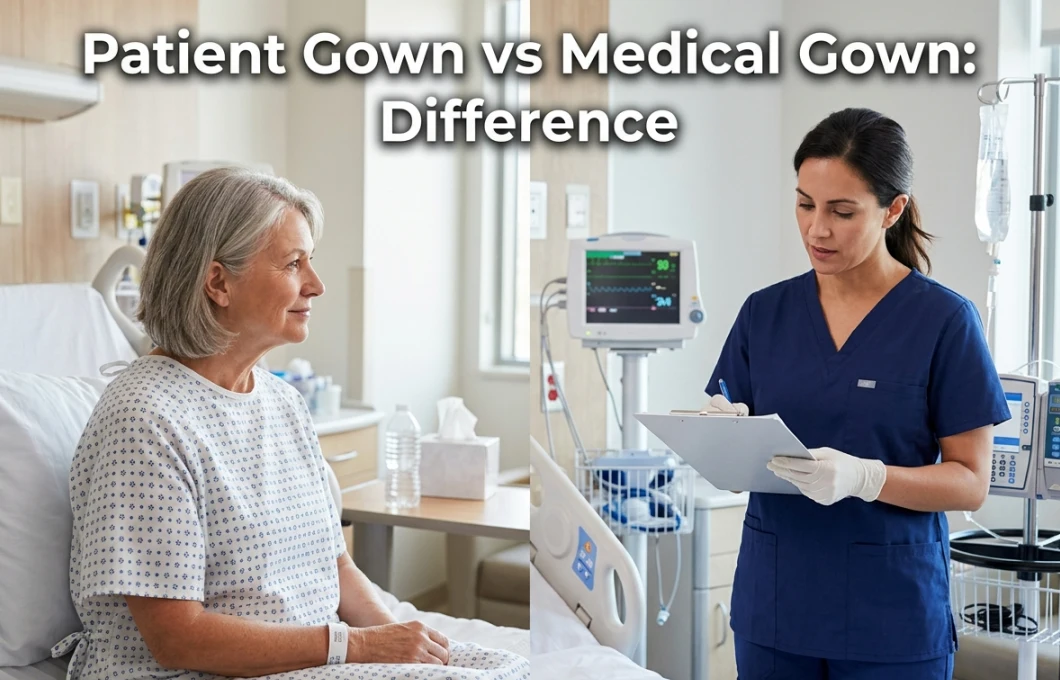
Walk into a hospital, and you will probably see different types of gowns worn by patients, nurses, doctors, and other medical staff. At first glance, they may look quite similar. However, a patient gown and a medical gown are designed for different people and different purposes.
A patient gown is mainly intended to keep patients comfortable and provide convenient access during medical examinations. A medical gown, on the other hand, is worn by healthcare professionals to help protect their clothing and skin from potential exposure to blood, body fluids, and other contaminants.
Understanding the difference between a patient gown vs medical gown makes it easier to choose the right garment for a hospital, clinic, or healthcare facility.
What Is a Patient Gown?
A patient gown, also known as a hospital gown, is a garment worn by patients during hospital stays, medical examinations, diagnostic procedures, and certain treatments.
Unlike protective clothing designed for healthcare workers, patient gowns focus more on comfort, coverage, and accessibility. Patients may need to change into one before surgery, during routine examinations, or when receiving medical care that requires access to particular parts of the body.
Traditional patient gowns are commonly made from cotton or polyester fabrics. They usually have a loose fit, allowing patients to sit, walk, lie down, and move around without too much restriction.
The design also helps medical staff perform examinations without requiring patients to remove all their clothing.
Common Patient Gown Designs
Patient gowns come in different styles depending on the level of coverage, patient needs, and medical procedures involved.
1. Open-Back Patient Gowns
An open-back hospital gown has an opening at the back, usually secured with ties or other fastening methods.
This design allows healthcare professionals to access the patient’s back and upper body more easily. It is often used during physical examinations, injections, surgery preparation, and other procedures where quick access is needed.
The main drawback is limited rear coverage. Patients may feel less comfortable when walking through shared hospital areas.
2. Closed-Back Patient Gowns
A closed-back hospital gown provides more coverage than a traditional open-back design.
It is intended to offer patients greater privacy and a more secure fit while still allowing medical staff to carry out examinations. Depending on the design, it may use snaps, ties, or other closures to make changing easier.
For patients who need to move around a hospital ward, additional coverage can make a noticeable difference in comfort and confidence.
Common Patient Gown Uses
Patient gowns are used in a variety of healthcare settings, including:
- Hospital admissions and overnight stays.
- Routine physical examinations.
- Diagnostic imaging and medical testing.
- Preoperative preparation.
- Recovery rooms and outpatient treatment areas.
Their primary purpose is to provide convenient clothing for patients while allowing medical staff to carry out necessary examinations and procedures.
What Is a Medical Gown?
A medical gown is a protective garment worn by healthcare professionals during medical care and procedures.
Its purpose is different from that of a patient gown. Rather than providing everyday clothing for patients, medical gowns help reduce the risk of contamination from blood, body fluids, and other potentially infectious materials.
Doctors, nurses, surgeons, and other healthcare workers may wear medical gowns depending on their tasks and the exposure risks involved.
The material and construction of a medical gown can vary considerably. Some are made from reusable textile fabrics, while disposable versions are commonly manufactured from nonwoven materials such as polypropylene (PP) or SMS fabric.
The appropriate gown depends on the intended application, required barrier performance, and applicable healthcare standards.
Common Types of Medical Gowns
Medical gowns are available in several forms. The most common categories include reusable gowns, disposable gowns, and surgical gowns.
1. Reusable Medical Gowns
Reusable medical gowns are made from durable textile materials designed to withstand repeated laundering and processing.
After use, they must be collected, cleaned, and processed according to the healthcare facility’s procedures. This makes them suitable for facilities with established laundry and garment management systems.
Their repeated use can reduce the need for frequent garment replacement, although cleaning, inspection, and maintenance costs should also be considered.
2. Disposable Medical Gowns
Disposable medical gowns are designed for single use. They are commonly made from lightweight nonwoven fabrics, including polypropylene and SMS materials.
Some designs provide basic coverage, while others incorporate additional barrier properties for tasks involving greater exposure to fluids.
Disposable gowns are often used in hospitals, clinics, laboratories, and other healthcare environments where single-use protective clothing is preferred.
Their main advantage is convenience. Once used, the gown can be discarded according to the facility’s waste management procedures, reducing the need for laundering and redistribution.
3. Surgical Gowns
Surgical gowns are a specialized category of medical gown intended for use by surgical team members during operations and other procedures requiring a sterile field.
They are designed to provide a barrier against microorganisms and fluid exposure, with protection levels depending on the gown’s construction and applicable performance requirements.
Compared with general medical gowns, surgical gowns have more specific requirements for material performance, critical protection areas, and sterile packaging.
Not every medical gown is suitable for surgery. Healthcare facilities should select surgical gowns according to the procedure, anticipated fluid exposure, and relevant regulatory or technical requirements.
Patient Gown vs Medical Gown: Key Differences
Although both garments are used in healthcare environments, their intended users and design priorities are quite different.
| Comparison | Patient Gown | Medical Gown |
|---|---|---|
| Primary users | Hospital patients | Doctors, nurses, and healthcare workers |
| Main purpose | Comfort, coverage, and examination access | Protection against potential contamination |
| Typical materials | Cotton, polyester, and other textile fabrics | Reusable textiles or disposable nonwoven materials |
| Design priorities | Loose fit, comfort, and convenient openings | Coverage, barrier performance, and ease of use |
| Common designs | Open-back and closed-back | Disposable, reusable, and specialized surgical gowns |
| Typical applications | Hospital stays, examinations, and treatment | Patient care, clinical procedures, and surgery |
| Sterility | Generally non-sterile | Depends on the gown type and intended application |
The most important distinction is the level of protection each garment is intended to provide.
A patient gown is not automatically a protective garment. It is primarily designed for the patient’s comfort and convenience.
A medical gown is selected according to the exposure risks faced by healthcare workers. Some offer basic coverage, while others are designed to provide higher levels of fluid and microbial barrier protection.
How to Choose the Right Hospital Gown
Choosing between different hospital gown types depends on who will wear the garment and how it will be used.
For patients, comfort and accessibility are usually the main considerations. For healthcare professionals, the selection process should focus more on exposure risks, material performance, and the requirements of the medical procedure.
For Patient Use
When selecting patient gowns, consider the following factors:
- Comfort: Soft, lightweight fabrics can make long hospital stays more comfortable.
- Coverage: Open-back and closed-back designs provide different levels of privacy.
- Ease of changing: Simple closures help patients and caregivers change garments more easily.
- Size and fit: Appropriate sizing allows patients to move without excessive tightness or restriction.
For Healthcare Staff
Medical gown selection requires a closer look at the working environment and potential exposure.
- Material: Choose between reusable textiles and disposable nonwoven materials based on the intended application.
- Barrier performance: Consider the expected contact with blood, body fluids, and other potentially infectious materials.
- Gown construction: Check the coverage area, sleeve design, cuffs, closures, and seam construction.
- Applicable standards: Verify that the product meets the relevant requirements for its intended use.
- Disposal or processing: Consider whether the facility has the systems needed for laundering reusable gowns or disposing of single-use products.
For bulk purchasing, healthcare facilities and medical distributors should also evaluate product consistency, packaging, available sizes, and supply requirements.
Frequently Asked Questions
1. What is the main difference between a patient gown and a medical gown?
A patient gown is designed for people receiving medical care, with an emphasis on comfort, coverage, and convenient access during examinations. A medical gown is worn by healthcare professionals to help protect against exposure to blood, body fluids, and other contaminants.
2. Is a patient gown the same as a hospital gown?
Yes. The terms patient gown and hospital gown are commonly used interchangeably. They generally refer to clothing provided to patients during hospital stays, examinations, and medical procedures.
3. What are the common types of hospital gowns?
Common patient gown designs include open-back and closed-back gowns. Medical gowns include reusable gowns, disposable gowns, and specialized surgical gowns. The appropriate type depends on the intended user and medical application.
4. Are medical gowns disposable or reusable?
Medical gowns can be either disposable or reusable. Disposable versions are commonly made from nonwoven materials such as polypropylene or SMS fabric. Reusable gowns are typically made from durable textiles that can withstand repeated laundering and processing.
5. Can a patient gown be used as a medical protective gown?
Not necessarily. A standard patient gown is designed primarily for comfort and coverage. It should not be treated as protective equipment unless it has been specifically designed, tested, and approved for the intended protective application.
6. What materials are commonly used for disposable medical gowns?
Polypropylene (PP) and SMS nonwoven fabrics are common materials used in disposable medical gowns. Material selection depends on the required coverage, comfort, fluid resistance, and intended use.
7. Are surgical gowns and medical gowns the same?
Surgical gowns are a specialized type of medical gown. They are designed for surgical procedures and must meet the applicable requirements for sterility and barrier performance. General medical gowns may not provide the protection needed for surgery.
8. What should hospitals consider when purchasing disposable medical gowns in bulk?
Hospitals and medical distributors should consider material specifications, barrier performance, gown design, available sizes, packaging, applicable certifications or standards, and supplier production consistency. The selected product should match the facility’s intended use and procurement requirements.
Choosing the Right Gown for Healthcare Needs
Patient gowns and medical gowns may look similar, but they serve different purposes. Patient gowns are designed around comfort, privacy, and accessibility, while medical gowns focus on reducing occupational exposure during healthcare activities.
Before selecting a gown, consider who will wear it, what procedures it will be used for, and what level of protection is required. A clear understanding of these differences helps healthcare facilities make more suitable purchasing decisions and maintain appropriate garment practices.