
Blog
How to Put On & Remove an Isolation Gown

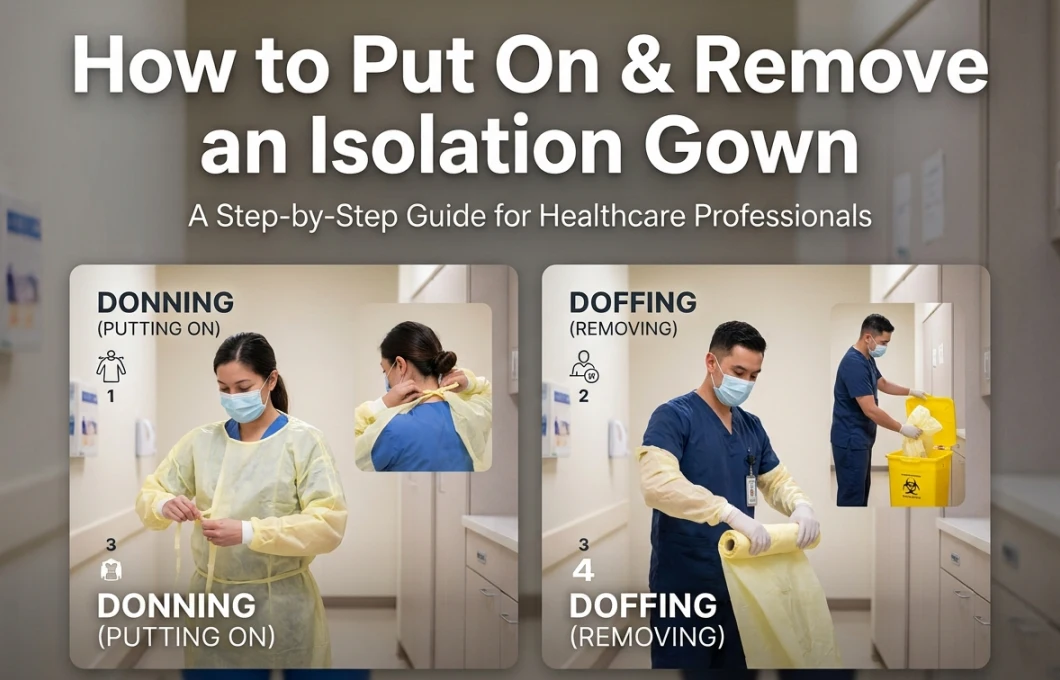
Putting on an isolation gown may seem straightforward, but the way it fits, fastens, and comes off matters. A gown can protect clothing and exposed skin during patient care when contact with blood, body fluids, or other potentially infectious materials is anticipated. Incorrect removal, however, can transfer contamination from the garment to the hands, skin, or surrounding surfaces.
The terms donning and doffing describe putting on and removing personal protective equipment (PPE). For an isolation gown, the goal is to achieve suitable coverage before entering the care area and to remove the garment without touching its potentially contaminated outer surface.
The correct procedure depends on the care environment, the expected exposure, and the facility’s infection prevention protocol. The following steps provide a general guide for routine use. They should not replace workplace training or specialized procedures for high-risk infectious agents.
How to Put On an Isolation Gown
Before wearing an isolation gown, check that it is suitable for the task and provides the coverage required by your workplace protocol. A gown intended for routine contact precautions may not meet the barrier requirements of every procedure.
1. Prepare Your Hands and Check the Gown
Perform hand hygiene before putting on PPE. Use soap and water or an appropriate alcohol-based hand rub according to the applicable protocol.
Inspect the gown before use. Check for tears, damaged seams, missing fasteners, or other defects that could affect coverage. If the garment is damaged or unsuitable for the intended task, choose another one.
Make sure the gown is the correct size. It should cover the torso, extend along the arms to the wrists, and wrap around the back when fastened.
2. Put on the Gown
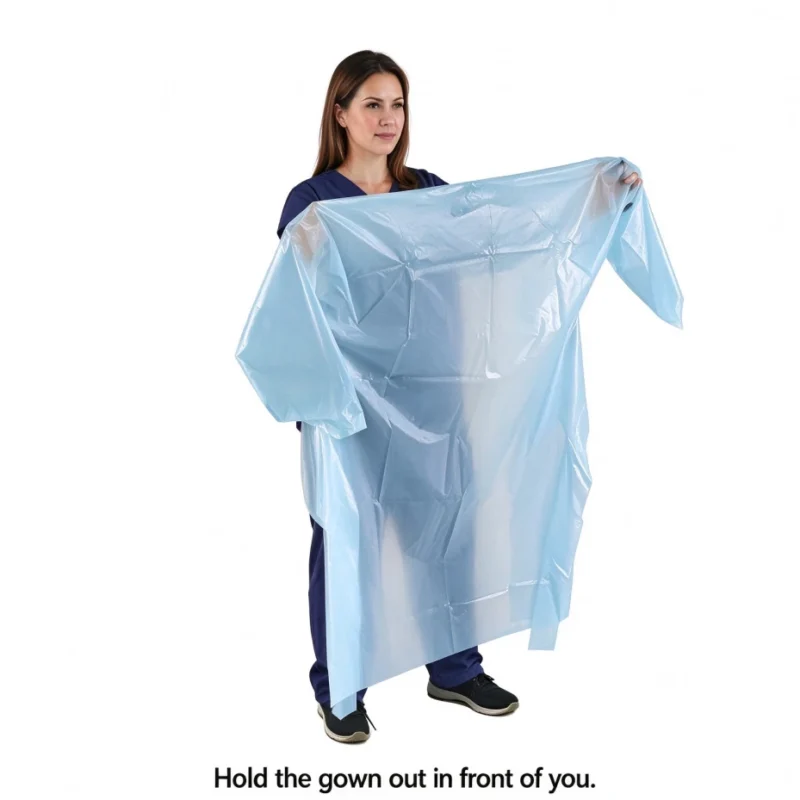
Unfold the gown carefully and identify the neck opening, sleeves, and waist fasteners. Avoid dragging the garment across potentially contaminated surfaces.
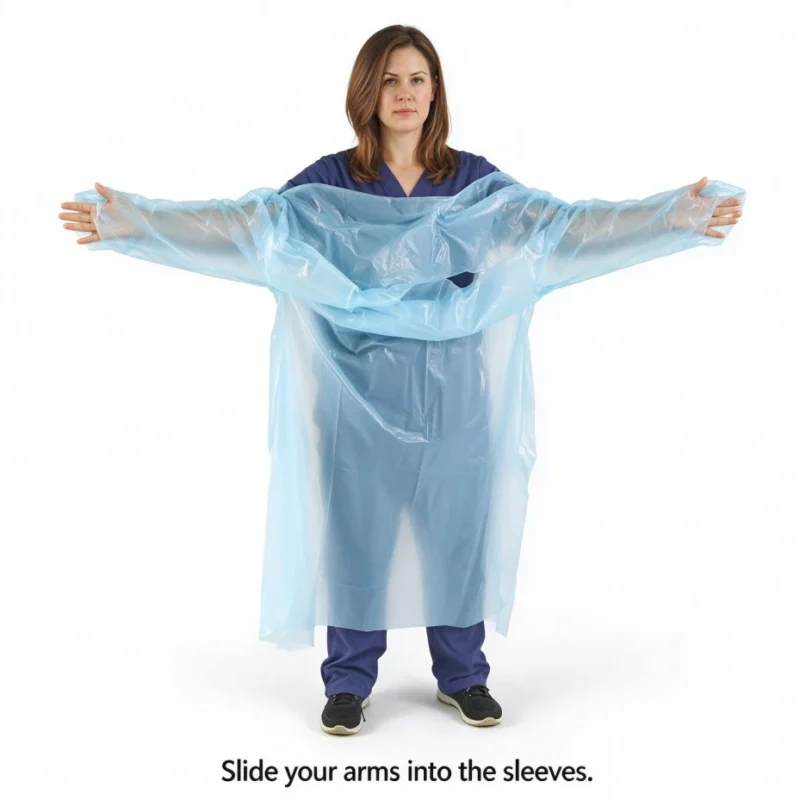
Slide one arm into each sleeve. Pull the gown over the shoulders and adjust it so the front covers the torso and the sleeves reach the wrists.
Check the back coverage. The garment should wrap around the body sufficiently to cover the clothing underneath when secured. If the gown is too small to provide the required coverage, select a more suitable size.
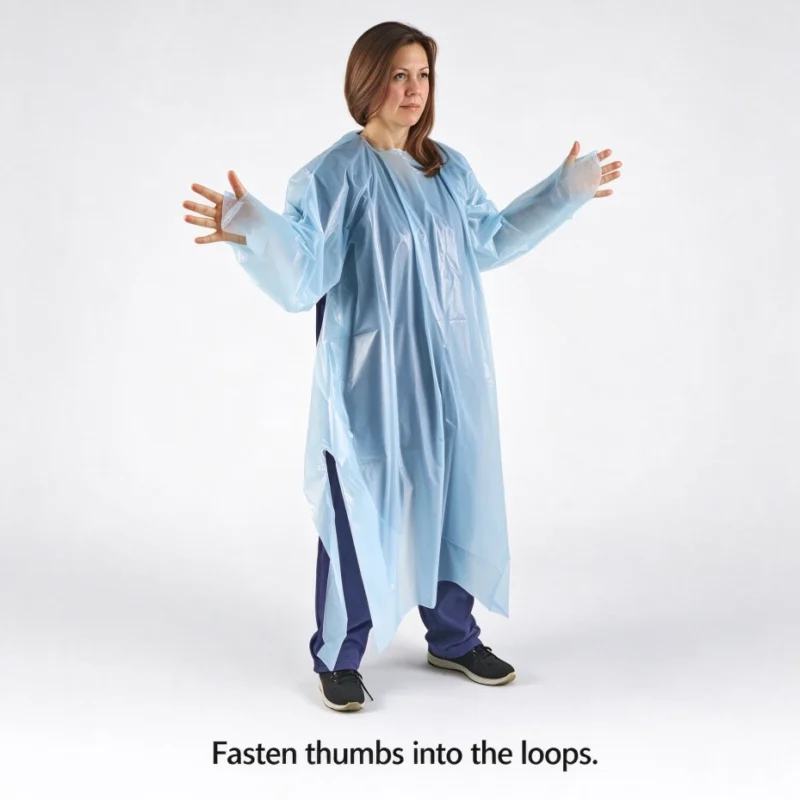
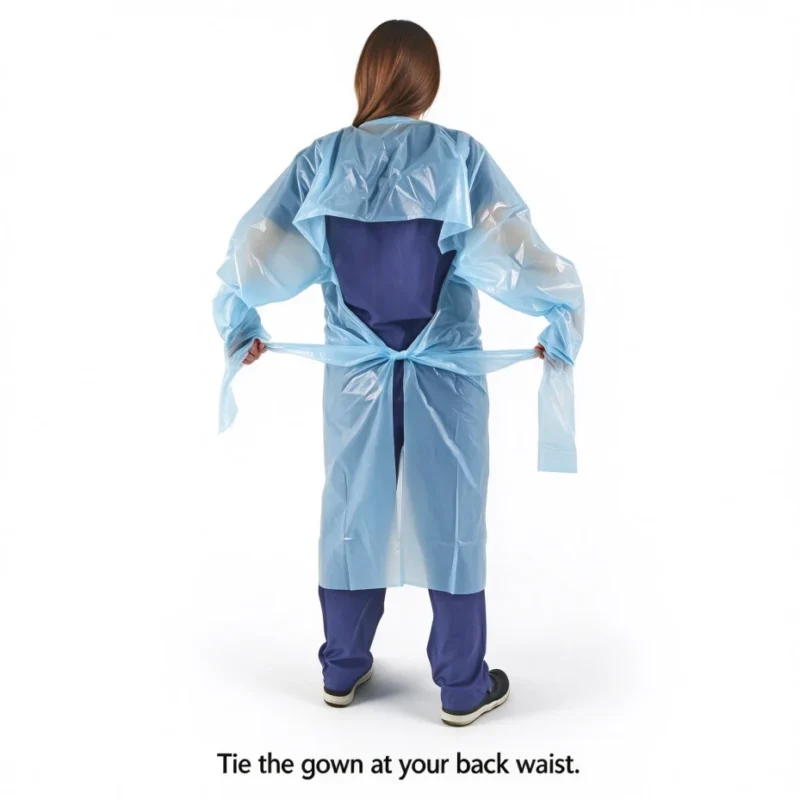
3. Secure the Neck and Waist
Fasten the gown at the neck and waist using the ties or closures provided. Secure the garment without restricting normal movement.
Check that the back panels overlap as intended and that the gown does not leave unnecessary gaps around the torso. If the design includes different fastening arrangements, follow the manufacturer’s instructions.
4. Complete the Rest of Your PPE
An isolation gown is only one component of PPE. Depending on the task and exposure risk, additional equipment may include gloves, a medical mask or respirator, and eye protection.
For many routine healthcare procedures, the gown is put on before gloves. Gloves should extend over the gown cuffs when the selected equipment and protocol require this arrangement.
Follow the facility’s designated PPE sequence. A respirator, eye protection, and gloves must be selected and fitted according to the specific risks of the task rather than added automatically in every situation.
Before entering the care area, check that the gown remains secured and that the selected PPE fits correctly.
What Is the Proper Way to Remove an Isolation Gown?
Removing an isolation gown requires particular care because its front and sleeves may have contacted infectious material. The main objective is to keep the potentially contaminated outer surface away from clothing, exposed skin, and clean surroundings.
Remove the gown in the designated area and follow the sequence established by your workplace. The steps below describe a general approach for routine healthcare settings.
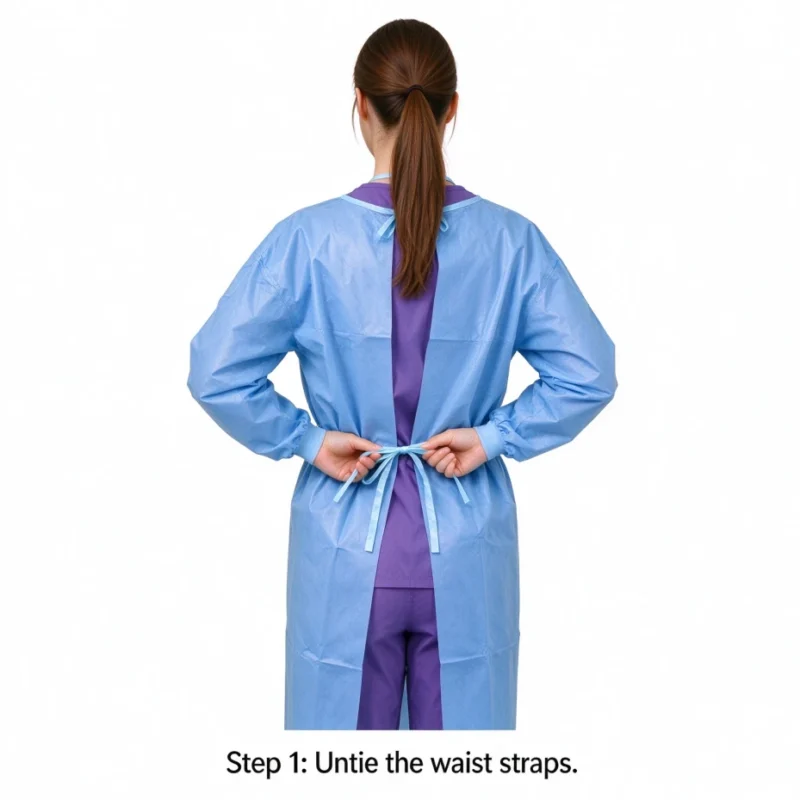
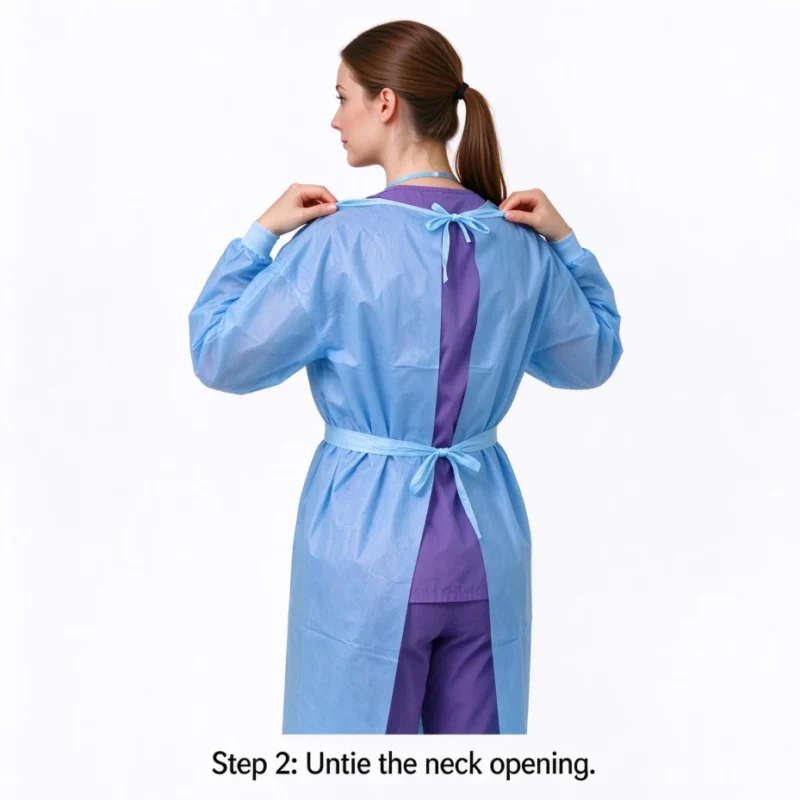
1. Release the Fasteners
Unfasten the neck and waist ties as required by the gown design. Avoid touching the front of the garment unnecessarily.
If the ties are difficult to release, take care not to pull the gown across your face or clothing. Follow workplace instructions if assistance or a designated doffing procedure is required.
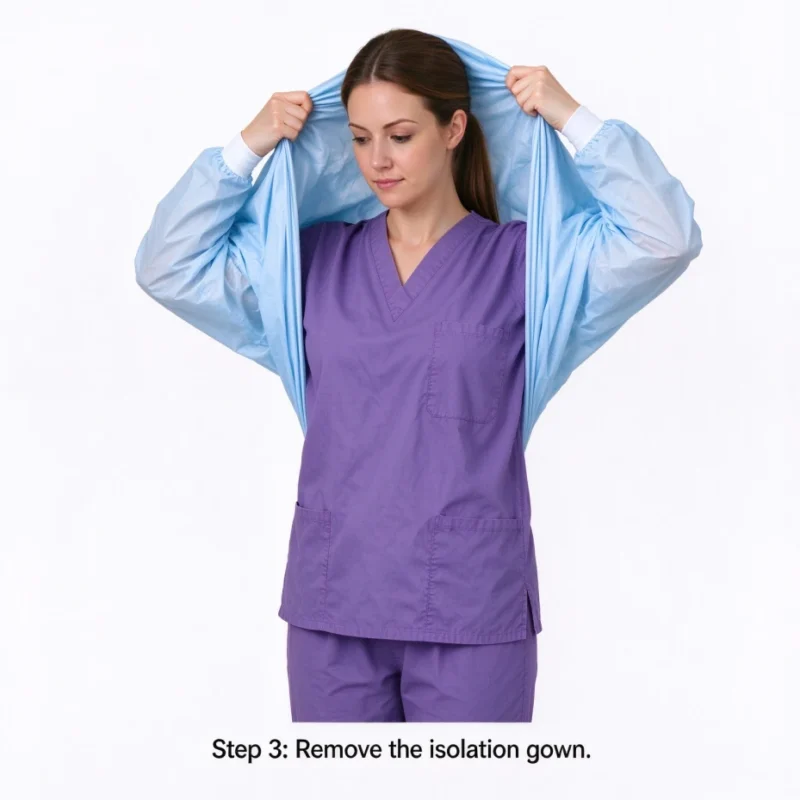
2. Peel the Gown Away From Your Body
Hold the garment in a way that minimizes contact with its outer surface. Pull it away from the neck and shoulders, then work down the arms.
As you remove the sleeves, avoid grabbing the contaminated exterior with bare hands. Keep the garment away from your torso and clothing.
The gown should gradually turn inside out as it comes off. This helps contain the potentially contaminated surface within the folded garment.
3. Turn the Contaminated Side Inward
Continue removing the gown with a controlled peeling motion. Bring the outer surface inward and avoid snapping or shaking the fabric.
Once removed, hold the garment away from your body. Fold or roll it into a compact bundle, keeping the potentially contaminated side enclosed as much as possible.
Do not place the used gown on a clean work surface or reuse a single-use garment.
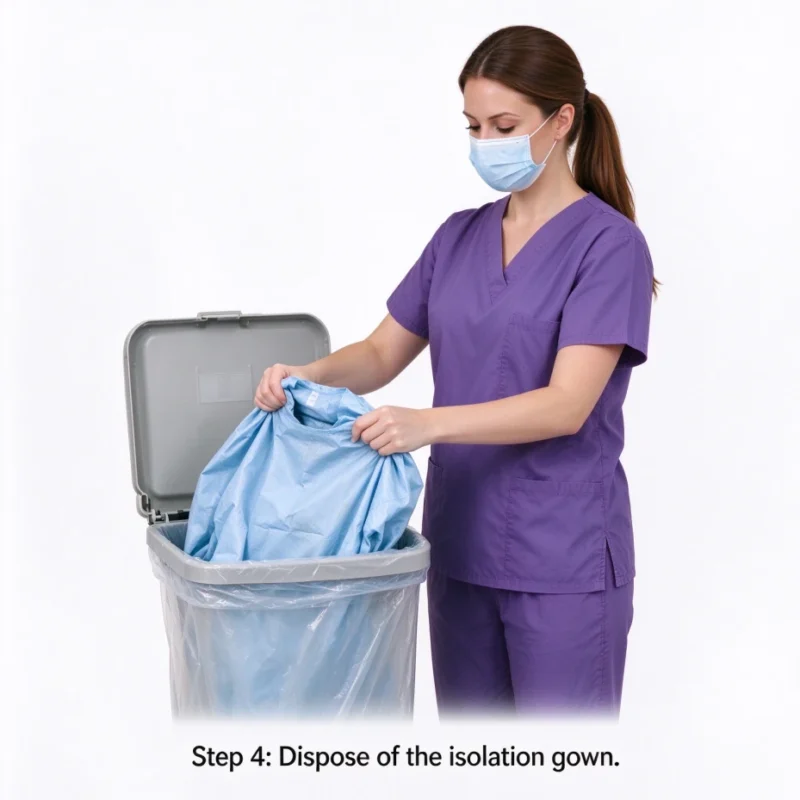
4. Dispose of the Gown Correctly
Place a disposable isolation gown in the designated waste container according to facility procedures and local requirements. Reusable gowns, where applicable, must enter the designated collection and laundering process.
Do not carry a used gown into clean areas or place it with personal clothing. If the gown is visibly contaminated or has been used during a procedure with specific waste-handling requirements, follow the relevant local protocol.
5. Perform Hand Hygiene
Perform hand hygiene immediately after removing and disposing of the gown, following the applicable PPE removal sequence.
If you are also wearing gloves, a mask or respirator, or eye protection, remove each item according to the facility’s instructions. Do not assume that removing the gown completes the entire PPE removal process.
If your hands or clothing become contaminated during removal, follow the workplace exposure and decontamination procedure.
Common Mistakes During Isolation Gown Donning and Doffing
Even when the steps appear simple, small mistakes can compromise the intended use of PPE. Healthcare teams should pay attention to fit, contact with the garment’s outer surface, and the location where used items are removed.
| Common mistake | Why it matters | Better practice |
|---|---|---|
| Wearing a torn or damaged gown | Coverage may be compromised | Inspect the garment before use |
| Choosing the wrong size | The torso or arms may not be adequately covered | Select a size that fits the wearer and task |
| Leaving the gown loosely fastened | The garment may shift during movement | Secure the neck and waist as designed |
| Pulling the gown across the face during removal | The outer surface may contact exposed areas | Peel the gown away from the shoulders and body |
| Shaking a used gown | Contaminated material may be dispersed | Remove it in a controlled manner |
| Reusing a single-use gown | The garment is not intended for repeated use | Dispose of it according to facility procedures |
| Skipping hand hygiene | Hands may become contaminated during removal | Perform hand hygiene at the prescribed stage |
Training also matters. Staff should learn the required sequence before performing procedures involving potentially infectious materials. Where protocols require an observer or trained assistant, follow that requirement rather than relying on a general written guide.
Choosing an Isolation Gown for the Intended Application
Correct donning and doffing are important, but the garment itself must also match the task. Isolation gowns are used in healthcare environments where clothing or exposed skin may contact blood, body fluids, secretions, excretions, or contaminated surfaces.
The appropriate product depends on the expected exposure and required barrier performance. Material, garment construction, coverage, fastening design, and applicable testing requirements all deserve consideration.
Disposable isolation gowns may use nonwoven materials such as polypropylene (PP) or SMS fabric. Other designs may incorporate additional barrier layers or coatings. These materials are not interchangeable in every application, and the fabric name alone does not establish a gown’s protective performance.
When evaluating a product, consider the following:
- Intended application: Identify the procedure, work environment, and likely contact with potentially infectious material.
- Barrier performance: Confirm that the gown meets the applicable requirements for the anticipated exposure.
- Coverage and fit: Check sleeve length, garment dimensions, back coverage, and fastening design.
- Comfort and movement: Consider breathability and freedom of movement during the intended period of use.
- Documentation: Review applicable test reports, product specifications, labeling, and compliance documents.
- Single-use instructions: Confirm how the product should be used, removed, and discarded.
An isolation gown should not automatically be treated as equivalent to a surgical gown or a protective coverall. These products serve different purposes and may be subject to different performance requirements. Selection should be based on the task and the applicable standard, not simply on the garment’s appearance or material description.
For buyers comparing disposable options, the Isolation Gown product page provides a relevant starting point for reviewing product details. Before choosing a product for a healthcare application, confirm its actual specifications and documentation against the requirements of the intended use.
Conclusion
Safe isolation gown use involves more than putting on a garment and tying it securely. The gown needs to provide appropriate coverage, remain fastened during use, and be removed in a way that limits contact with its potentially contaminated outer surface.
Inspect the garment before wearing it, follow the required PPE sequence, peel the gown away carefully during removal, and perform hand hygiene at the prescribed stage. When working in healthcare settings, always follow the facility’s infection prevention procedures and the product’s instructions for use.
FAQ
What does isolation gown donning and doffing mean?
Donning means putting on an isolation gown correctly. Doffing means removing it carefully to limit the transfer of potentially contaminated material to the wearer or surrounding environment.
What is the proper way to put on an isolation gown?
Perform hand hygiene, inspect the gown, put on the sleeves, adjust the garment for adequate coverage, and fasten it at the neck and waist. Complete the remaining PPE steps according to the required protocol.
What are the main isolation gown removal steps?
Release the fasteners, peel the gown away from the shoulders and arms, turn the potentially contaminated surface inward, dispose of the garment appropriately, and perform hand hygiene as directed by the applicable procedure.
Can a disposable isolation gown be reused?
A single-use isolation gown should not be reused. Dispose of it according to facility procedures and the product’s instructions.
When should an isolation gown be worn?
An isolation gown may be indicated when patient care or another task creates a risk of clothing or exposed skin contacting blood, body fluids, secretions, excretions, or potentially contaminated surfaces. Follow the applicable infection prevention protocol.
How do isolation gowns differ from protective coveralls?
Isolation gowns generally cover the torso and arms, with the level of coverage depending on the design. Protective coveralls enclose more of the body. Neither garment is automatically suitable for every hazard; selection depends on the required protection and intended application.